

Unlock the power of data analysis with this comprehensive guide covering SQL, Excel, Python, and R – essential tools revealed!

Table of Contents
Welcome, aspiring data analysts! If you’re a teacher looking to enhance your data analysis skills, you’ve come to the right place. In this comprehensive guide, we will focus on mastering SQL, a fundamental language for querying and analyzing data. By the end of this blog post, you’ll feel confident in writing SQL queries to extract insights from various datasets.
Understanding the basics of SQL
SQL, which stands for Structured Query Language, is a powerful tool used to communicate with databases. Its syntax is straightforward and structured, making it easy to learn for beginners. At its core, SQL allows you to retrieve and manipulate data stored in databases by using commands such as SELECT, FROM, WHERE, and ORDER BY.
Setting up a SQL environment
Before diving into SQL queries, it’s essential to have the right environment for practicing. There are various tools and platforms available, such as MySQL, PostgreSQL, or SQLite, that allow you to create databases and run SQL queries. Setting up a SQL environment is straightforward, and you can easily find tutorials online to help you get started.
Learning SQL commands
Learning SQL commands is like learning a new language – the more you practice, the better you’ll get. Start by familiarizing yourself with basic commands such as SELECT, which retrieves data from a table, and WHERE, which filters data based on specific conditions. Practice writing simple SQL queries to gain confidence and improve your skills.
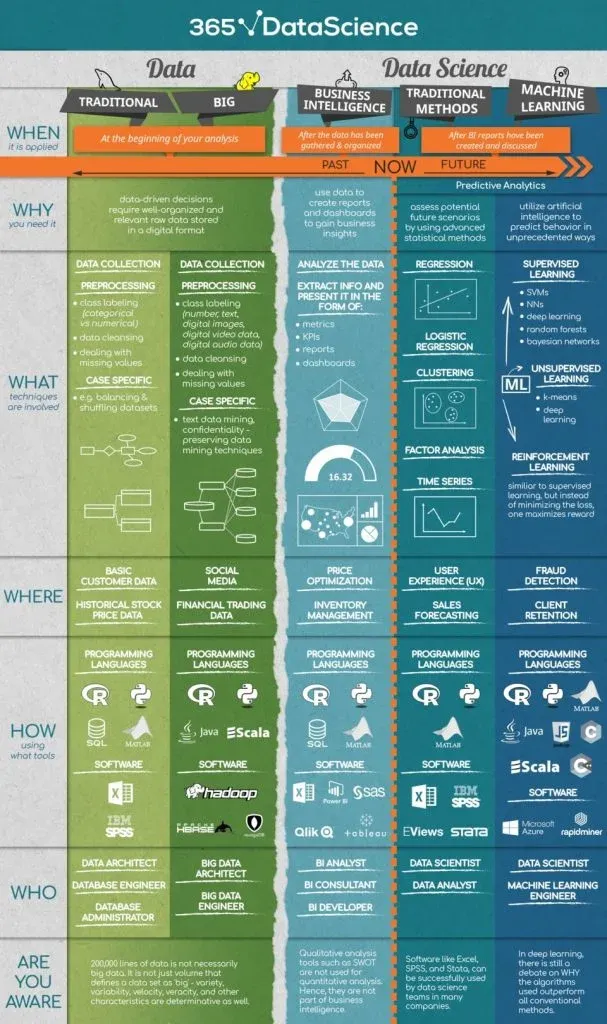
Image courtesy of 365datascience.com via Google Images
Writing SQL queries
When it comes to writing SQL queries, it’s essential to be concise and precise. Avoid using overly complex queries that may be challenging to debug. Instead, focus on clear and organized queries that retrieve the exact data you need. Remember, practice makes perfect, so don’t hesitate to experiment with different queries to see what works best for your analysis.
Filtering and sorting data in SQL
Filtering and sorting data in SQL allows you to extract valuable insights from your datasets. By using commands like WHERE and ORDER BY, you can narrow down your search results and arrange them in a specific order. Take the time to understand how these commands work together to manipulate data effectively.
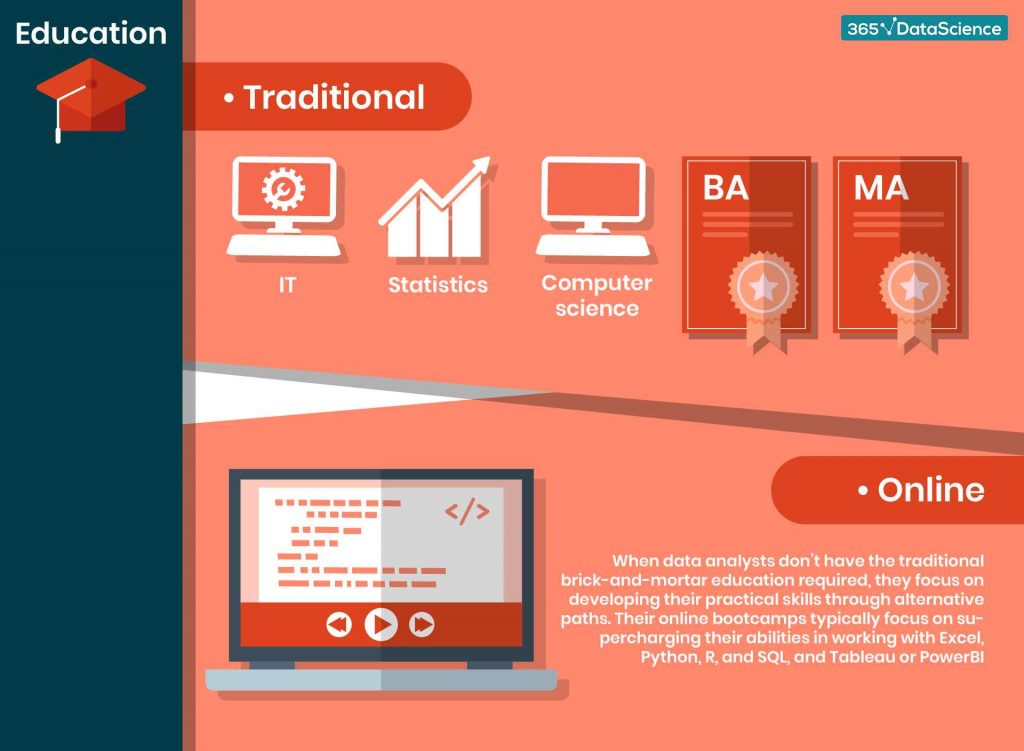
Image courtesy of 365datascience.com via Google Images
Joining tables in SQL
One of the most powerful features of SQL is the ability to join tables to combine related data from different sources. There are various types of joins, such as INNER JOIN, LEFT JOIN, and RIGHT JOIN, each serving a different purpose. Understanding how to join tables correctly is essential for performing in-depth data analysis.
Aggregating data in SQL
Aggregating data in SQL involves using functions like COUNT, SUM, AVG, and more to calculate summary statistics from your datasets. These functions allow you to analyze and summarize large amounts of data quickly and efficiently. Practicing aggregation functions will improve your ability to draw meaningful conclusions from datasets.

Image courtesy of www.linkedin.com via Google Images
Advanced SQL topics
As you progress in your SQL journey, you may encounter more advanced topics such as subqueries, window functions, and common table expressions. These topics can help you solve complex data analysis problems and enhance the efficiency of your queries. Exploring advanced SQL concepts will broaden your understanding and skills in data analysis.
Conclusion
Congratulations on completing this ultimate guide to mastering SQL for data analysis! By following the tips and practicing the exercises provided, you’ve taken a significant step toward becoming proficient in SQL. Remember, continuous practice and experimentation are key to honing your data analysis skills. Keep exploring new datasets, writing SQL queries, and refining your analysis techniques to unlock the full potential of data analytics.