
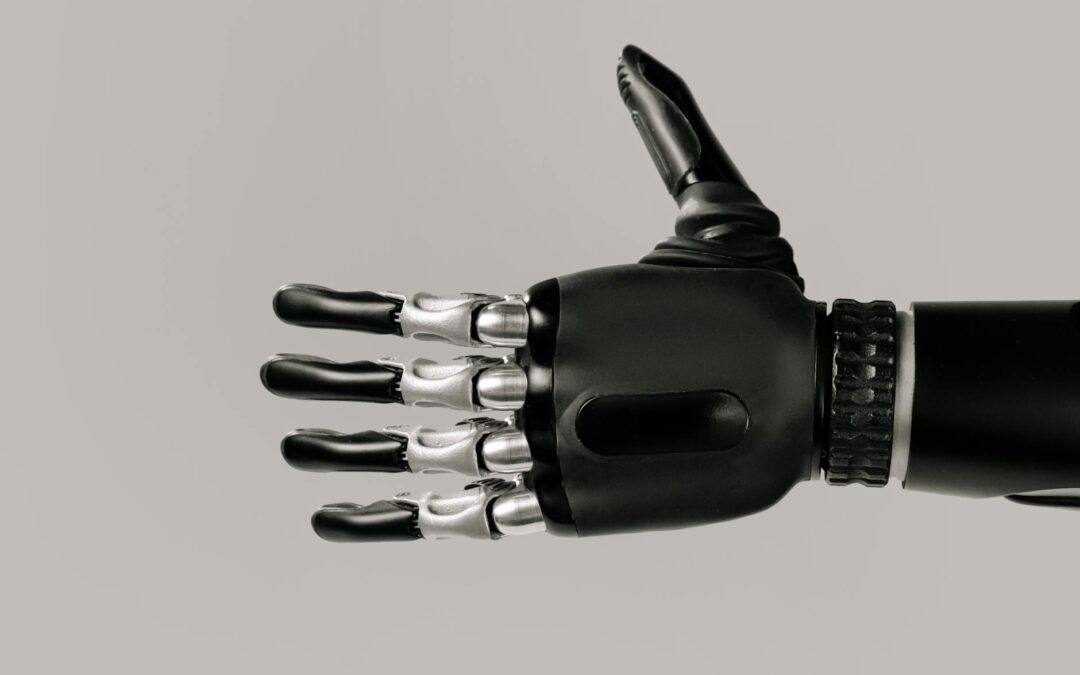
Discover the groundbreaking impact of AI in healthcare through real-life case studies, showcasing the evolution from theory to practice.

Table of Contents
Welcome, tech gurus! Today, we’re diving into the fascinating world of artificial intelligence and its transformative impact on healthcare. Join us as we explore real-life case studies that showcase the power of AI in revolutionizing the way we approach medical treatments, patient care, and diagnosis. Let’s explore how theory meets practice in the realm of healthcare AI.
Overview
Artificial intelligence is no longer just a buzzword – it’s a game-changer in the healthcare industry. With AI algorithms becoming more sophisticated and powerful, the possibilities for improving patient outcomes and streamlining healthcare processes are endless.
In this blog post, we’ll take a closer look at the latest trends in AI technology in healthcare, dive into real-life case studies that demonstrate AI in action, provide practical tips for healthcare professionals looking to leverage AI, and explore the future outlook of AI in healthcare.
Latest Trends
One of the most exciting trends in healthcare AI is the use of machine learning algorithms to analyze vast amounts of medical data and extract valuable insights. From predicting patient outcomes to optimizing treatment plans, AI is revolutionizing the way healthcare decisions are made.
Another trend worth mentioning is the rise of AI-powered diagnostic tools that can analyze medical images, such as X-rays and MRIs, with incredible accuracy. This not only speeds up diagnosis but also helps reduce human error and improve patient care.
Case Study
Let’s delve into a real-life case study that exemplifies the impact of AI in healthcare. Take, for example, a hospital that implemented an AI-powered predictive analytics system to identify patients at high risk of developing sepsis. By analyzing patient data in real-time, the system was able to alert healthcare providers before symptoms appeared, leading to early interventions and improved patient outcomes.
This case study demonstrates how AI can augment the capabilities of healthcare professionals, enabling them to deliver more personalized and effective care to patients. It also underscores the importance of integrating AI technologies into healthcare workflows to enhance decision-making and optimize resource allocation.
Practical Tips
For healthcare professionals looking to incorporate AI into their practice, here are some practical tips to get you started:
- Stay updated on the latest advances in AI technology and their applications in healthcare.
- Collaborate with data scientists and AI experts to develop custom AI solutions tailored to your specific needs.
- Ensure compliance with data privacy regulations and ethical standards when implementing AI in healthcare settings.
- Continuously evaluate the performance of AI systems and adjust them as needed to improve efficiency and accuracy.
Future Outlook
As we look to the future, the potential of AI in healthcare is immense. From personalized treatment plans to AI-powered drug discovery, the possibilities for improving patient care and advancing medical research are endless.
However, with great power comes great responsibility. Ensuring the ethical development and responsible deployment of AI in healthcare will be crucial to harnessing its full potential while safeguarding patient privacy and data security.
Further Reading / Resources
Interested in learning more about how AI is revolutionizing healthcare? Check out these resources for further reading:
- Article: “The Impact of Artificial Intelligence on Healthcare” – [Link]
- Online Course: “AI in Medicine: Transforming Healthcare with Data Science” – [Link]
- Research Paper: “Applications of Machine Learning in Medical Imaging” – [Link]
Keep exploring the exciting world of AI in healthcare and stay tuned for more insights and case studies on how AI is shaping the future of medicine.