
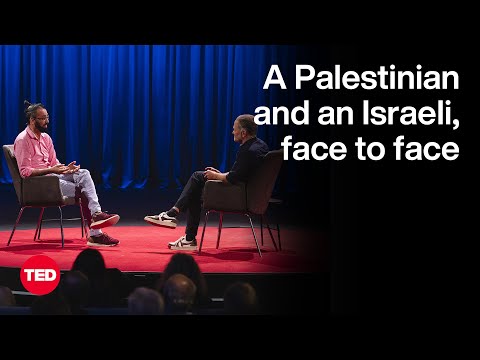
In a world often torn by violence and misunderstanding, the stories of Maoz Inon and Aziz Abu Sarah stand as beacons of hope and transformation. Both hailing from backgrounds marked by conflict and loss, these remarkable individuals have embarked on a journey not of revenge, but of forgiveness, understanding, and peace. Their story is not just their own but serves as an inspirational testament to the power of dialogue and compassion in overcoming even the deepest divides.
Introduction: A Meeting of Souls
When Maoz Inon and Aziz Abu Sarah first met, the odds were against them. Coming from communities historically locked in conflict, their paths crossed under the auspices of seeking understanding and healing. Their collaboration, rooted in the shared experience of loss and the profound desire for peace, marks a pivotal moment in the narrative of reconciliation. This beginning of their journey underscores the potential for unity and mutual respect amidst diversity and dissent.
Maoz Inon’s Path to Reconciliation
Maoz’s journey into the realms of forgiveness and peace commenced with a dream, a profound narrative alteration from a path that could justifiably have led to bitterness. Losing his parents to the throes of conflict, Maoz faced a crossroads where he could succumb to the cycle of revenge or seek a pathway to understanding and healing. Choosing the latter, Maoz’s story is a resonant example of how powerful the act of forgiveness can be — not as a passive surrender but as a courageous embrace of reconciliation over perpetual conflict.
Aziz Abu Sarah’s Journey towards Forgiveness
For Aziz Abu Sarah, the journey towards forgiveness and subsequently, peace, stemmed from a transformative decision to not let anger and vengeance define his life. Despite enduring personal tragedies and the pervasive culture of mistrust and hostility, Aziz’s narrative is one of empowerment through empathy. His commitment to understanding the “other side” and forging connections across divides paints a hopeful picture of what the future could look like when hearts are opened, and dialogues are fostered.
Understanding, Dialogue, and the Quest for Peace
At the core of Maoz’s and Aziz’s initiatives is the unshakeable belief in the importance of dialogue and understanding. Their interactions, marked by the willingness to ask difficult questions and listen earnestly to the answers, demonstrate the transformative power of empathy in bridging narrative gaps. This commitment to seeing beyond one’s personal history to acknowledge the complexities of the “other” is pivotal in their quest for a peaceful future.
The Power of Hope in Healing and Transformation
Hope, as articulated by Maoz and Aziz, is not a passive wish but an active force for change. Both leaders emphasize the significance of envisioning a better future and taking concrete steps toward realizing it. This hope is not rooted in naïveté but in a profound belief in the efficacy of concerted efforts to bring about peace and reconciliation. Their vision and actions serve as a guide for individuals and communities alike, highlighting the achievable nature of peaceful resolution through sustained hope and action.
Conclusion: Envisioning a Peaceful Future
The journey of Maoz Inon and Aziz Abu Sarah is a compelling narrative of how individuals, driven by a deep desire for peace and understanding, can bridge seemingly insurmountable divides. Their story is a testament to the power of forgiveness, dialogue, and hope in fostering healing and reconciliation. As the world grapples with continued conflicts, their message serves as a reminder that peace is not just a distant dream but a possible reality, built through the courageous acts of understanding, compassion, and shared humanity.