

Unlock the secrets of data lineage with this comprehensive guide for data engineers- everything you need to know, step-by-step!

Table of Contents
Welcome, teachers venturing into the world of data analytics! As you embark on your journey to become proficient in data engineering, understanding data lineage will be a crucial aspect of your work. In this comprehensive guide, we will walk you through the step-by-step process of mastering data lineage and its significance in your role as a data analyst.
Understanding Data Lineage
Before we delve into the practical aspects of data lineage, let’s establish a solid foundation by understanding what data lineage is all about. In simple terms, data lineage refers to the tracking of data from its origins to its current state and all the transformations it undergoes along the way. This process is essential for maintaining data integrity, ensuring accuracy, and facilitating compliance with data regulations.
The Importance of Data Lineage
Having a clear understanding of data lineage is essential for data engineers and analysts to make informed decisions, troubleshoot data-related issues, and maintain data quality. By tracing the flow of data within an organization, you can identify dependencies, pinpoint errors, and ensure that data is used responsibly and effectively.
Implementing Data Lineage in Practice
Now that we’ve covered the theoretical aspects of data lineage, let’s explore how it can be implemented in practice. Here are some steps to help you master data lineage:
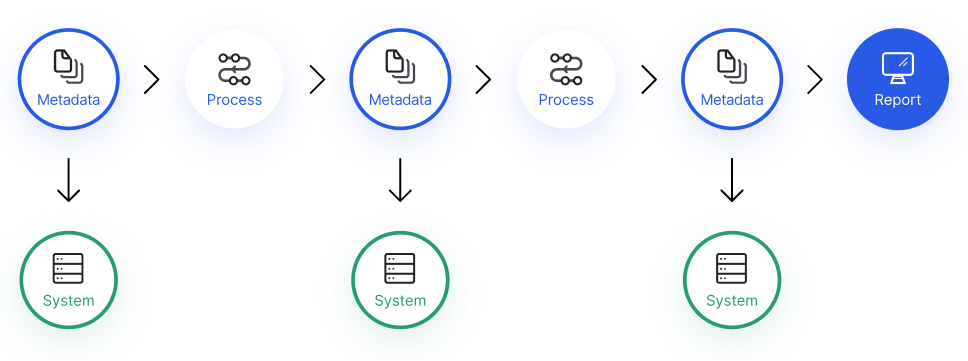
Image courtesy of www.imperva.com via Google Images
1. Document Data Sources
Start by documenting all the data sources in your organization, including databases, files, and external sources. This initial step will help you create a comprehensive map of where your data originates.
2. Trace Data Transformations
Next, trace the transformations that data undergoes as it moves through various systems and processes. This could include data cleansing, aggregation, and enrichment steps that are performed on the data.
3. Establish Data Lineage Tools
Utilize data lineage tools and technologies to automate the tracking and visualization of data lineage. Tools such as Apache Atlas, Collibra, and Alation can help streamline the process and provide a clear overview of your data flow.
4. Monitor and Maintain Data Lineage
Regularly monitor and maintain your data lineage to ensure its accuracy and relevance. Update the lineage documentation whenever there are changes to data sources, transformations, or systems to keep track of the latest data flow.
Conclusion
Congratulations on making significant progress in mastering data lineage! By understanding the importance of data lineage, implementing best practices, and utilizing the right tools, you are well on your way to becoming a proficient data engineer. Keep exploring and refining your skills in data analytics to enhance your capabilities and drive impactful decisions in your teaching profession.