
Artificial Intelligence (AI) has transitioned from the realm of science fiction to become a cornerstone of modern society. This journey has been marked by evolving perceptions, game-changing impacts, and continuous dialogue about the future. We invite you to explore the labyrinth of AI’s evolution, its dual-edged influence on our world, and the navigational compass we might need as we venture into uncharted territories of AI development.
AI Perception in the Past
The journey of AI began as a fascinating concept rooted in the imaginations of scientists and writers. Initially, it was seen as a distant, somewhat fantastical vision of machines that could simulate human intelligence. This perception was largely inspired by early science fiction literature and movies, which painted AI as either humanity’s salvation or its ultimate downfall.
Evolution of AI Perception
Over the decades, as technological advancements made theoretical concepts a reality, perceptions shifted from speculative fiction to practical, sometimes cautious optimism. The emergence of AI in industries, from manufacturing to healthcare, began reshaping the narrative. Today, AI is often viewed as a crucial tool in solving complex problems, though concerns about its potential misuse and ethical implications remain.
AI Impact on Society
The impact of AI on society is profound and multifaceted, affecting everything from the job market to privacy and security. Automation has transformed industries, increasing efficiency but also sparking debates on job displacement. Meanwhile, AI-driven technologies have enhanced healthcare, education, and environmental conservation, demonstrating AI’s potential as a force for good.
Metaphor of AI as a New Digital Species
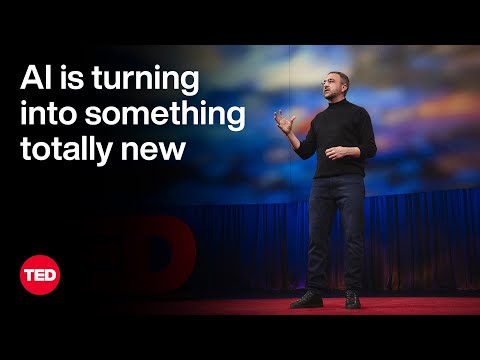
AI is increasingly seen as a new form of life – a digital species that coexists with humans. This metaphor emphasizes the need to understand AI, not just as a set of tools, but as entities with which we interact and co-evolve. This perspective encourages a broader contemplation about the relationship between humans and AI, focusing on cooperation and cohabitation rather than dominance and fear.
Potential Benefits and Risks of AI
The duality of AI’s impact is undeniable. On one hand, it promises unprecedented advancements in efficiency, convenience, and the betterment of human life. On the other, the risks – including privacy erosion, decision-making opacity, and the amplification of societal inequalities – present significant challenges. Balancing these benefits and risks is central to harnessing AI’s potential responsibly.
Need for Ethical AI Development and Regulation
The fast-paced growth of AI technologies has outstripped existing regulatory frameworks, raising critical questions about ethics and oversight. The need for ethical AI development and stringent regulation cannot be overstated. Policies that encourage transparency, accountability, and equitable access are essential in mitigating risks and ensuring AI benefits society as a whole.
Addressing the Challenges of AI
Navigating the challenges of AI requires a concerted effort from governments, industries, and the public. Creating standards and guidelines for ethical AI use, promoting public understanding of AI, and fostering global cooperation are steps toward addressing these challenges. Investment in education and research is also crucial in preparing for the societal shifts AI brings.
The Future of AI and Humanity
The future of AI and humanity is not predetermined but will be shaped by the choices we make today. As AI continues to evolve, balancing innovation with ethical considerations, embracing inclusivity, and fostering international collaboration will be key. With thoughtful stewardship, AI has the potential to usher in a new era of prosperity and discovery, redefining what it means to be human in the process.