

Uncover the secrets to successfully integrating AI into your business operations with this comprehensive step-by-step guide. Don’t miss out!

Table of Contents
Welcome, tech gurus, to our daily dive into the world of artificial intelligence. Today, we’re focusing on practical tips for implementing AI in your business. Whether you’re a startup looking to innovate or an established company aiming to stay ahead of the curve, integrating AI can be a game-changer. Let’s explore some essential steps to help you navigate the AI landscape successfully.
Exploring the Current Trends
Before diving into AI implementation, it’s crucial to stay up-to-date on the latest trends shaping the field. From deep learning to natural language processing, AI is constantly evolving. Keep an eye on emerging technologies like reinforcement learning and computer vision, as they have the potential to revolutionize your business operations.
Establishing Clear Goals
One of the first steps in implementing AI is defining clear goals for your business. Whether you want to improve customer service, streamline operations, or enhance product recommendations, having a concrete understanding of your objectives will guide your AI strategy. Consider conducting a thorough needs assessment to identify areas where AI can add the most value.
Building a Skilled Team
AI implementation requires a team of experts with a diverse skill set. From data scientists and machine learning engineers to UX designers and project managers, assembling a strong team is essential for success. Invest in training programs and resources to upskill your employees and nurture a culture of AI proficiency within your organization.

Image courtesy of www.infotech.com via Google Images
Choosing the Right Tools and Technologies
With a plethora of AI tools and technologies available in the market, selecting the right ones for your business can be overwhelming. Consider factors like scalability, compatibility with existing systems, and ease of integration when choosing AI solutions. Collaborate with your IT department and seek advice from industry experts to make informed decisions.
Implementing Ethical Considerations
Ethical considerations are paramount when integrating AI into your business processes. Ensure that your AI algorithms are transparent, fair, and free from bias. Establish data privacy protocols and security measures to protect sensitive information. By prioritizing ethics in AI implementation, you can build trust with customers and stakeholders.
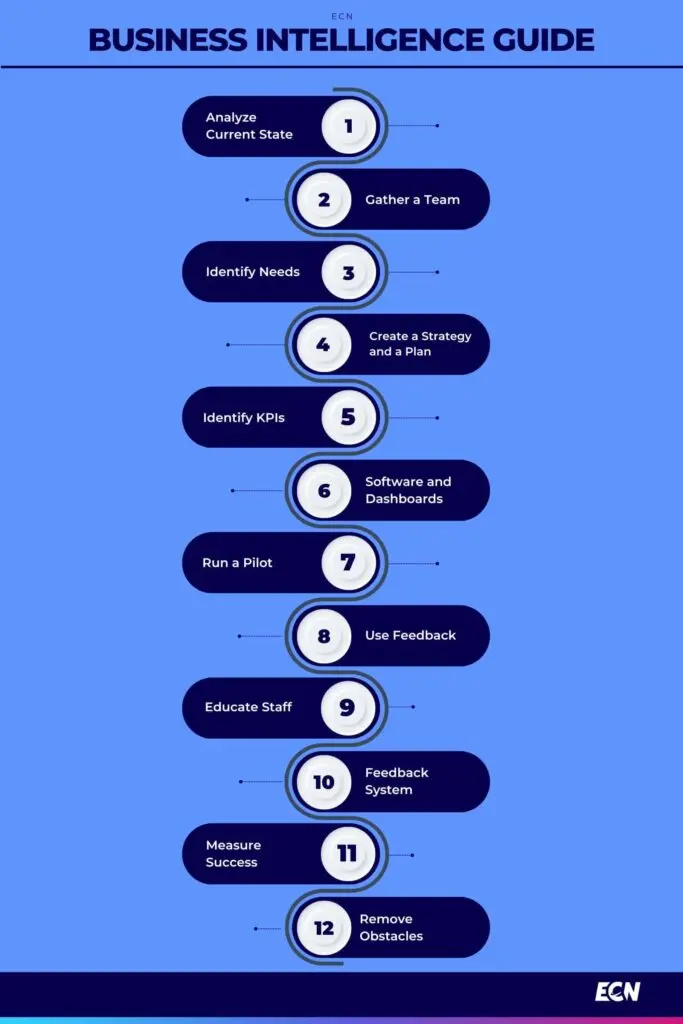
Image courtesy of www.ecommerce-nation.com via Google Images
Measuring Performance and Iterating
Once your AI systems are up and running, it’s essential to monitor their performance closely. Implement key performance indicators (KPIs) to track the impact of AI on your business outcomes. Analyze the data generated by AI applications and use insights to optimize algorithms and processes continuously. Embrace a culture of experimentation and iteration to drive innovation.
Continuous Learning and Development
The field of AI is rapidly evolving, with new advancements and breakthroughs happening regularly. Encourage continuous learning and development within your organization to stay ahead of the curve. Provide learning resources, workshops, and mentorship programs to help your employees expand their AI skills and knowledge. By fostering a culture of lifelong learning, you can position your business for long-term success in the AI landscape.

Image courtesy of www.infotech.com via Google Images
Final Thoughts
Implementing AI in your business can be both exciting and challenging. By following these practical tips and best practices, you can navigate the world of artificial intelligence with confidence. Stay curious, stay innovative, and always keep the end goal in mind: using AI to drive positive change and growth in your business.
Remember: Informal blog post in html tags with “Practical Tips for Implementing AI in Your Business: A Step-by-Step Guide” is really useful for tech professionals.