

Discover the essential practices for creating scalable data pipelines and revolutionize your data engineering knowledge with expert tips.

Table of Contents
Hey there, all you teachers-turned-data-analysts! Welcome to the world of data engineering. Today, we’re diving into the exciting realm of building scalable data pipelines. So grab your favorite beverage, get cozy, and let’s explore some best practices that will help you succeed in your data engineering journey.
Understand Your Data
Before diving headfirst into building data pipelines, it’s crucial to have a solid understanding of the data you’re working with. Whether it’s student demographics, performance metrics, or course enrollment data, knowing the ins and outs of your data is key. Use tools like data lineage to track the origins and transformations of your data, so you have a clear picture of where it’s coming from and how it’s being used.
Master SQL
SQL (Structured Query Language) is the backbone of data analysis. It’s essential for extracting, manipulating, and querying data from databases. Whether you’re working with student records or exam scores, mastering SQL will make your data analysis tasks much smoother. Remember to write efficient SQL queries to optimize performance and get the results you need quickly.
Excel for Data Analysis
Excel may seem like a humble spreadsheet tool, but it’s a powerful ally in your data analysis arsenal. You can use Excel for basic data analysis tasks like sorting, filtering, and visualizing data. Make sure to organize and clean your data effectively in Excel to ensure accurate analysis results.

Image courtesy of medium.com via Google Images
Introduction to Python and R
Python and R are popular programming languages among data analysts for their versatility and powerful data analysis capabilities. Whether you’re analyzing student performance trends or building predictive models, Python and R have got your back. There are plenty of resources available for beginners to learn these languages, so don’t be shy to dip your toes into the world of programming.
Data Engineering Best Practices
When it comes to building scalable data pipelines, following best practices is essential. Optimize your data pipelines and workflows to ensure efficiency and reliability. Pay close attention to data quality and data governance to maintain the integrity of your data and ensure accurate analysis results.

Image courtesy of www.linkedin.com via Google Images
Data Ownership and Governance
Data ownership and governance are crucial aspects of data analytics in any organization. Establishing clear data ownership and accountability policies ensures that data is handled responsibly and ethically. Make sure you understand your role and responsibilities as a data analyst in the context of data ownership and governance.
Visualization with Tableau and PowerBI
Data visualization tools like Tableau and PowerBI are your best friends when it comes to visualizing data in a compelling and informative way. Whether you’re creating dashboards for student performance metrics or visualizing trends in enrollment data, these tools have got you covered. Take some time to explore the features and capabilities of Tableau and PowerBI to make your data visualizations stand out.
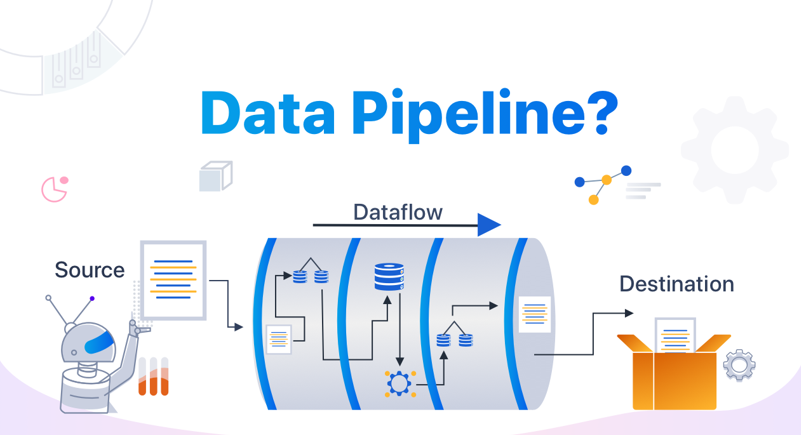
Image courtesy of medium.com via Google Images
Continuous Learning and Development
Learning is a never-ending journey, especially in the fast-paced world of data analytics. Stay up-to-date with the latest trends, tools, and techniques in data analytics to keep your skills sharp. There are plenty of resources available for further learning and professional development in data analytics, so don’t hesitate to explore new avenues and expand your knowledge.
Conclusion
Congratulations on making it through our crash course in data engineering best practices! Remember, building scalable data pipelines is a journey that requires continuous learning and improvement. By understanding your data, mastering tools like SQL and Excel, and following best practices in data engineering, you’ll be well on your way to becoming a successful data analyst. So go forth, analyze that data, and make insightful decisions that shape the future of education!
And remember, your passion for teaching is a valuable asset in the world of data analytics. By leveraging your expertise and enthusiasm, you can harness the power of data to drive positive change and enhance educational outcomes. Happy data analyzing!