

Delve into the fascinating world of data lineage and uncover how your data travels from its source to analysis.

Table of Contents
Hey there, fellow teachers turned data analysts! If you’re delving into the world of data analysis using Python, you’re in for a treat. Today, we’re unraveling the mysteries of data analysis in Python and sharing some valuable tips to help you navigate through the process like a pro. Let’s dive right in!
Setting Up Your Environment
Before you embark on your data analysis journey, it’s essential to set up your Python environment. Make sure you have Python installed on your system and consider adding popular libraries like Pandas, NumPy, Matplotlib, and Seaborn. These libraries will be your best buddies when it comes to crunching numbers and creating stunning visualizations.
Importing Data
Once your environment is all set up, the next step is importing your data into Python. Whether you’re working with CSV files, Excel spreadsheets, or databases, Pandas has got your back. With just a few lines of code, you can load your data and start exploring its contents.
Cleaning and Preprocessing Data
Now that your data is safely inside Python, it’s time to roll up your sleeves and clean up any messes. Handle missing values, remove duplicates, and transform data types to ensure your analysis is based on reliable information. Trust us, your future self will thank you for the effort!

Image courtesy of www.instinctools.com via Google Images
Exploratory Data Analysis (EDA)
EDA is like peeling back the layers of an onion – it reveals insights and trends hidden within your data. Utilize Matplotlib and Seaborn to create visualizations that bring your data to life. From histograms to scatter plots, let your data tell its story through colorful charts and graphs.
Data Manipulation
Once you have a good understanding of your data, it’s time to roll up your sleeves and start manipulating it. Pandas offers a plethora of functions for filtering, grouping, and transforming data at your fingertips. Dive into the world of data wrangling and watch your data transform into meaningful insights.

Image courtesy of www.linkedin.com via Google Images
Statistical Analysis
Statistical analysis is the bread and butter of data analytics. With libraries like SciPy and Statsmodels, you can perform hypothesis testing, regression analysis, and more with ease. From p-values to confidence intervals, statistical analysis will help you draw meaningful conclusions from your data.
Machine Learning
Ready to take your analysis to the next level? Machine learning is here to help. Explore the basics of machine learning using Scikit-learn and embark on a journey of classification, regression, and clustering. Unleash the power of algorithms and let your data do the talking.
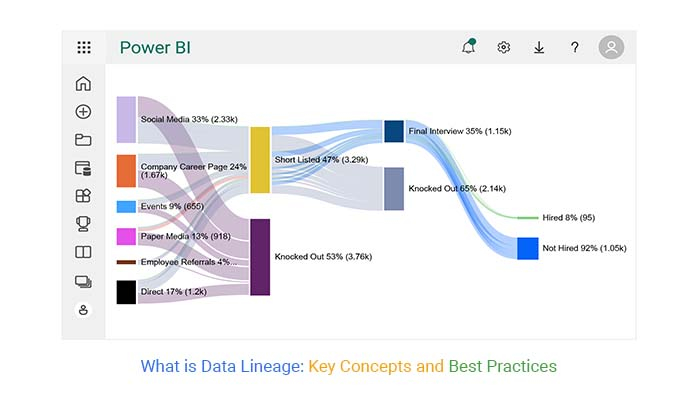
Image courtesy of chartexpo.com via Google Images
Data Visualization
They say a picture is worth a thousand words, and in data analysis, that couldn’t be more true. Enhance your analysis with beautiful visualizations using Tableau and Matplotlib. From bar charts to heatmaps, let your data shine bright and captivate your audience.
Conclusion
And there you have it, teachers-turned-data-analysts! Armed with these tips and techniques, you’re ready to conquer the world of data analysis in Python. Remember, practice makes perfect, so keep exploring, experimenting, and honing your skills. The journey from data source to analysis may be complex, but with Python by your side, you’re unstoppable.
Happy analyzing!
Stay curious!