

Uncover the secrets to mastering SQL with these essential techniques for data engineers. Take your data skills to the next level!

Table of Contents
Welcome, teachers on the path to becoming data analysts! As you dive into the realm of data analytics, it’s crucial to grasp the essential techniques that will help you navigate through the world of data engineering, data lineage, data ownership, and more. In this blog post, we’ll focus on mastering SQL, a fundamental tool for querying and analyzing data.
Understand the Basics
Before delving into the specifics of SQL, it’s vital to have a solid understanding of the basics of data analytics. Concepts such as data engineering, data lineage, and data ownership lay the foundation for your journey into the world of data analysis. Knowing how data is collected, stored, and managed will give you a deeper insight into the importance of SQL in extracting valuable insights from datasets.
Master SQL
SQL (Structured Query Language) is a powerful tool for extracting, manipulating, and managing data in a relational database. To master SQL, start by learning the basic syntax, including SELECT, FROM, WHERE, and GROUP BY clauses. These are essential for querying specific data points and filtering results based on certain criteria.
Practice writing simple queries to retrieve data and gradually move on to more complex operations such as joins, subqueries, and aggregate functions. Understanding how to combine multiple tables and perform calculations on datasets will enhance your analytic capabilities and allow you to uncover valuable insights hidden within the data.
Excel Excellence
Excel is a widely-used tool for data manipulation and visualization. While not as powerful as SQL for querying large datasets, Excel provides a user-friendly interface for analyzing data and creating visualizations. Learn how to use functions, formatting tools, and pivot tables in Excel to organize and summarize data effectively.
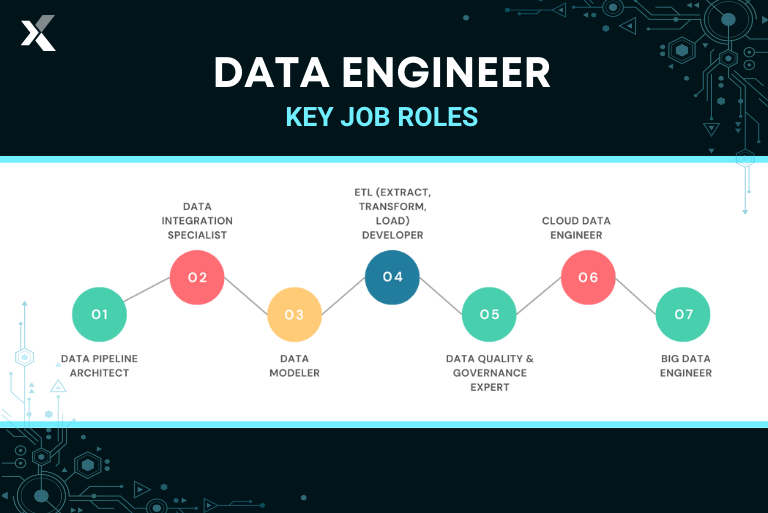
Image courtesy of medium.com via Google Images
Mastering Excel will enable you to perform quick analyses, create informative charts and graphs, and present your findings in a clear and visually appealing manner. It’s a valuable skill that complements your SQL knowledge and can be advantageous in scenarios where quick data analysis is required.
Embrace Python
Python is a versatile programming language that is widely used in the field of data analysis. Its simplicity and readability make it an excellent choice for data manipulation, automation, and modeling. Start by familiarizing yourself with basic Python syntax and gradually explore libraries such as Pandas and NumPy for data manipulation.
Python’s flexibility allows you to perform complex data analysis tasks, build predictive models, and automate repetitive processes. By incorporating Python into your data analytics toolkit, you’ll enhance your capabilities and be able to tackle a wider range of analytical challenges.
Dive into R
R is another popular programming language used for statistical analysis and data visualization. While it has a steeper learning curve compared to Python, R offers specialized packages and functions that are tailored for data analysis tasks. Dive into R by exploring basic statistical functions, data manipulation techniques, and visualization capabilities.

Image courtesy of www.linkedin.com via Google Images
By mastering R, you’ll have access to a powerful set of tools for conducting in-depth statistical analyses, creating complex visualizations, and developing predictive models. It complements your SQL and Excel skills, providing you with a comprehensive suite of tools for data analytics.
Visualization with Tableau
Tableau is a powerful data visualization tool that allows you to create interactive dashboards and compelling visualizations from your datasets. Its intuitive interface and drag-and-drop functionality make it easy to build dynamic visualizations that convey insights effectively.
Learn how to connect Tableau to your data sources, create calculated fields, and design interactive dashboards that tell a compelling data story. With Tableau, you can explore data from different angles, uncover trends, and present your findings in a visually engaging manner.
Power Up with PowerBI
PowerBI is another popular tool for creating interactive dashboards and analyzing data. Its seamless integration with Microsoft products and user-friendly interface make it a versatile choice for data visualization and analysis. PowerBI allows you to connect to multiple data sources, create custom visuals, and share insights with stakeholders.

Image courtesy of www.kdnuggets.com via Google Images
Explore PowerBI’s features, such as data modeling, DAX (Data Analysis Expressions) functions, and Power Query, to build powerful dashboards and reports that drive informed decision-making. With PowerBI, you can unleash the full potential of your data and leverage its capabilities for impactful analytics.
Continuous Learning
As you journey through the realm of data analytics, it’s essential to stay curious and continue learning. The field of data analytics is constantly evolving, with new technologies, tools, and techniques emerging regularly. Engage in online courses, workshops, and networking events to stay updated with the latest trends and advancements in data analytics.
By investing time in continuous learning, you’ll expand your skill set, stay ahead of the curve, and remain agile in a rapidly changing landscape. Embrace the opportunity to grow, adapt, and thrive in the dynamic world of data analytics.
Conclusion
Congratulations on embarking on your journey to mastering data analytics skills! Remember, with dedication, perseverance, and a thirst for knowledge, you can elevate your abilities and excel in the field of data analytics. By mastering SQL, Excel, Python, R, Tableau, PowerBI, and embracing continuous learning, you’ll be well-equipped to tackle complex analytical challenges and unlock the full potential of data insights.
Keep exploring, experimenting, and refining your skills – the world of data analytics is vast, diverse, and full of possibilities. Embrace the journey, embrace the challenges, and embrace the power of data analytics. Happy analyzing!