
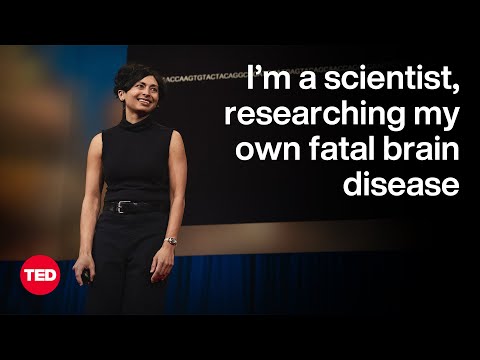
In the realm of medical breakthroughs, predictive genetic testing is a powerful tool that is reshaping lives in unforeseen ways. For those at risk of prion disease, often considered one of the most harrowing rare conditions, this medical marvel can mean the difference between a life lived in blissful ignorance and one in determined awareness. Follow the poignant journey of a woman who, from the heights of marital bliss to the depths of watching her mother succumb to this insidious disease, decided to face her genetic fate head-on. This story isn’t just about coping with genetic risk; it’s about transforming that knowledge into a relentless quest for a cure, revealing the remarkable potential of scientific and medical advancements.
Introduction to Prion Disease and Predictive Genetic Testing
Prion diseases are a group of progressive neurodegenerative disorders that affect both humans and animals. They are caused by misfolded prion proteins, which set off a chain reaction, transforming normal proteins into the misfolded variant. This process causes brain damage and, ultimately, leads to death. Predictive genetic testing helps in identifying individuals who carry specific gene mutations that make them susceptible to these diseases, even before symptoms appear. This type of testing provides individuals and families with critical information, enabling informed decisions about their future health trajectory.
The Personal Journey: From Wedding to Genetic Testing
The journey began on a joyous note, with a wedding that marked the beginning of a new chapter. However, the celebration soon turned somber as the narrator witnessed her mother deteriorate rapidly due to prion disease. The brutal and swift progression of her mother’s decline instilled both fear and a sense of urgency. The pivotal moment came when the narrator decided to undergo genetic testing to determine her own risk. The results revealed a single-letter DNA mutation that indicated a high likelihood of developing the same condition. This harrowing revelation transitioned her life from personal trepidation to a deep-seated resolve to understand and combat the disease.
Understanding Genetic Prion Disease: Causes and Implications
Genetic prion diseases occur due to mutations in the PRNP gene, which encodes the prion protein. A single-letter typo in the DNA sequence of this gene can lead to the production of a misfolded protein. This misfolded protein induces other normal proteins to misfold, exacerbating the condition. The implications are dire – since these prion diseases are invariably fatal, understanding their causes is vital. This knowledge can potentially lead to preventative strategies and therapeutic interventions, offering hope to those carrying the mutation and their offspring.
The Shift to Scientific Pursuit: Combating Prion Disease
Upon discovering her genetic predisposition, the narrator embarked on a transformative mission to delve into scientific and medical research. Driven by personal stakes, she immersed herself in studying prion diseases with the goal of finding a cure. Her efforts concentrated on preventing the misfolded protein from turning pathogenic. This shift was not only about self-preservation but also about enabling future generations to live without fear of this genetic threat. Her story underscores the power of turning a personal crisis into a scientific quest.
Challenges in Developing Therapies for Rare Diseases
The development of therapies for rare diseases, like prion disease, is fraught with challenges. The primary difficulty lies in the rarity and complexity of these conditions, which often translates to limited funding and fewer research initiatives. The path to creating effective treatments is demanding and requires innovative approaches to overcome biological barriers related to protein misfolding and propagation. Nonetheless, progress is being made as scientists push boundaries, seeking practical and safe medicines to mitigate or prevent the onset of these devastating diseases.
Living with Genetic Risk: Resilience and Future Generations
Living with the knowledge of a genetic risk can be overwhelming. However, it also fosters resilience and an appreciation for the opportunities that predictive testing provides. The narrator exemplifies this resilience, embracing gratitude for the journey she’s on and the scientific community that supports it. Opting for IVF with genetic testing, she made the deliberate choice to prevent passing the mutation onto her children, ensuring they have a healthier start to life. Her narrative highlights the profound impact of medical advances, not only on individual lives but also on future generations, steering them towards a future devoid of such hereditary burdens.