

Just as technology continues to revolutionize various aspects of our lives, the healthcare industry is not left behind. Artificial Intelligence (AI) is playing a pivotal role in transforming patient care and diagnosis. From streamlining administrative tasks to analyzing complex medical data, AI is reshaping the way healthcare professionals deliver services and make clinical decisions. In this informative piece, we explore into the impact of AI on healthcare, exploring how this innovative technology is enhancing patient outcomes and revolutionizing the diagnosis process.
Key Takeaways:
- Improved Patient Care: AI is transforming patient care by providing personalized treatment plans, predicting potential health issues, and assisting healthcare professionals in making more informed decisions.
- Enhanced Diagnosis: Artificial intelligence is revolutionizing the diagnosis process by analyzing medical images, identifying patterns, and detecting abnormalities with greater accuracy and speed than traditional methods.
- Efficiency and Accuracy: AI algorithms are streamlining healthcare processes, reducing errors, and improving efficiency in hospitals and clinics, ultimately leading to better outcomes for patients.
The Current State of Healthcare
Before delving into the transformative potential of AI in healthcare, it’s crucial to understand the current landscape. The healthcare industry, while advanced in many aspects, still grapples with inefficiencies and limitations in patient care and diagnosis.
Inefficiencies in Patient Care
Patient care in healthcare systems worldwide often faces challenges such as long wait times, fragmented information sharing, and miscommunication between healthcare providers. These inefficiencies can lead to delayed diagnoses, compromised treatment outcomes, and overall patient dissatisfaction.
- How does inefficiency impact patient care in healthcare systems?
- What are the common challenges faced by healthcare providers in ensuring efficient patient care?
- Ways in which AI can streamline patient care processes in healthcare settings.
Limitations of Human Diagnosis
Patient diagnosis heavily relies on the knowledge and experience of healthcare professionals, which can be influenced by factors like cognitive biases and limited exposure to rare conditions. As a result, there is a risk of misdiagnosis or delayed diagnosis, impacting patient outcomes and increasing healthcare costs.
- How do cognitive biases affect human diagnosis in healthcare?
- The role of AI in assisting healthcare professionals to overcome diagnostic limitations.
- Examples of how AI technology has improved diagnostic accuracy in healthcare.
Patient diagnosis is a complex process that involves synthesizing patient history, clinical findings, and test results to arrive at an accurate conclusion. However, human cognition is prone to errors, leading to misinterpretation of symptoms or overlooking crucial information, thereby affecting the accuracy of diagnoses.
- How do cognitive biases impact the accuracy of patient diagnosis?
- Ways in which AI can complement human decision-making in diagnostic processes.
- The benefits of using AI-powered diagnostic tools in healthcare settings.
Understanding the current inefficiencies and limitations in patient care and diagnosis emphasizes the urgent need for innovative solutions that can enhance healthcare delivery and improve patient outcomes. AI presents a promising opportunity to augment human capabilities and revolutionize the way healthcare is administered, ultimately leading to more efficient, accurate, and patient-centric care.
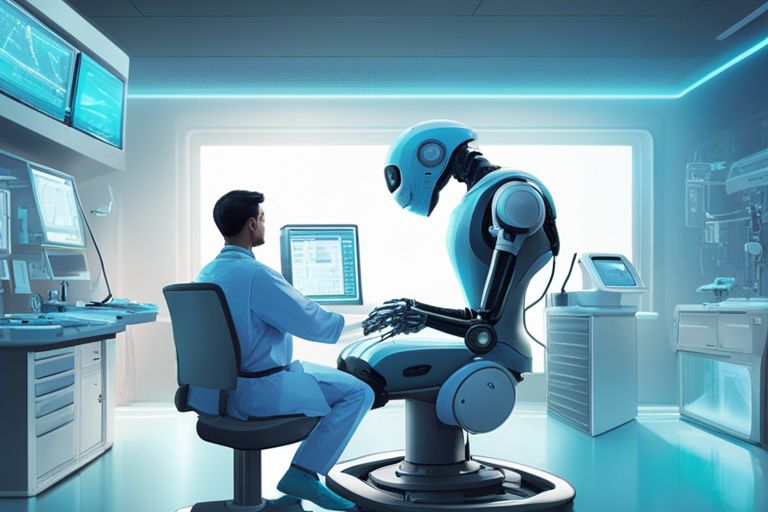
The AI Revolution in Healthcare
Some of the key ways AI is revolutionizing healthcare include predictive analytics for patient outcomes, personalized treatment plans, and streamlined administrative processes. By leveraging big data and machine learning algorithms, AI systems can analyze vast amounts of information to provide insights that help healthcare providers make more accurate diagnoses and deliver individualized care to patients. This transformative technology is reshaping the healthcare landscape, leading to improved patient outcomes and more efficient healthcare delivery.
- Predictive analytics for patient outcomes
- Personalized treatment plans
- Streamlined administrative processes
Machine Learning for Accurate Diagnoses
One of the most significant applications of AI in healthcare is using machine learning algorithms to enhance diagnostic accuracy. By analyzing medical images, patient data, and symptoms, machine learning models can assist healthcare professionals in making more precise and timely diagnoses. This technology not only speeds up the diagnostic process but also reduces the margin of error, leading to better patient outcomes and treatment strategies.
- Using machine learning for medical image analysis
- Enhancing diagnostic accuracy through AI algorithms
- Improving patient outcomes with predictive models
Personalized Medicine through Data Analysis
Through the analysis of vast amounts of patient data, AI enables the practice of personalized medicine, tailoring treatment plans to individual patients based on their unique genetic makeup, lifestyle factors, and medical history. By considering these personalized insights, healthcare providers can prescribe more effective treatments with fewer side effects, ultimately improving patient satisfaction and treatment outcomes.
- Personalized treatment plans based on genetic data
- Tailoring medication dosages to individual patient needs
- Enhancing patient care through data-driven insights
Through advanced data analysis techniques, personalized medicine is becoming a reality in healthcare. By leveraging AI to sift through vast datasets encompassing genetic information, patient histories, and treatment outcomes, healthcare providers can develop tailored treatment plans that address specific patient needs. This approach not only enhances the efficacy of treatments but also minimizes the risk of adverse reactions or ineffective interventions, ultimately leading to better healthcare outcomes for patients.
- Utilizing genetic data for personalized treatment plans
- Enhancing patient care through individualized medicine
- Improving treatment outcomes with data-driven approaches
Analysis reveals the immense potential of AI-driven data analysis in reshaping the healthcare landscape. By harnessing the power of machine learning and big data analytics, healthcare providers can unlock valuable insights that drive more informed decision-making, ultimately leading to improved patient care and outcomes. With AI as a powerful ally, the era of personalized medicine and precise diagnostics is on the horizon, promising a brighter future for healthcare delivery and patient well-being.
Applications of AI in Healthcare
Once again, AI proves its transformative power in the field of healthcare, revolutionizing patient care and diagnosis. Let’s investigate into some of the key applications of AI in the healthcare industry:
- AI-powered imaging for more accurate diagnosis
- AI chatbots for triaging patients
- Virtual assistants for patient engagement
- Predictive analytics for disease prevention
- Personalized treatment plans
Virtual Assistants for Patient Engagement
Virtual assistants in healthcare play a crucial role in enhancing patient engagement by providing personalized care, answering medical queries, scheduling appointments, and even reminding patients about medication adherence. Patients can interact with these chatbots round the clock, obtaining immediate support and guidance for their healthcare needs.
- Develop an AI chatbot to assist patients with basic medical queries
- Create a virtual assistant capable of scheduling appointments seamlessly
- Incorporate AI into patient portals for improved engagement and communication
Predictive Analytics for Disease Prevention
Healthcare professionals are increasingly utilizing predictive analytics powered by AI to forecast possible disease outbreaks, identify high-risk patient populations, and recommend preventive measures. By analyzing vast amounts of data, AI algorithms can predict health trends and prevent diseases before they escalate, resulting in better healthcare outcomes for individuals and communities.
- Leverage predictive analytics to identify patients at high risk of developing chronic conditions
- Utilize AI algorithms to forecast potential disease outbreaks in specific regions
- Implement preventive healthcare interventions based on predictive analytics insights
It is fascinating how predictive analytics, powered by AI, enables healthcare providers to shift from reactive to proactive healthcare management. By leveraging vast amounts of data and sophisticated algorithms, healthcare professionals can now anticipate health issues, intervene early, and ultimately improve patient outcomes.
Overcoming Challenges and Ethical Concerns
Many challenges and ethical dilemmas arise when integrating AI into healthcare systems. These include issues such as bias in AI decision-making, patient data privacy and security, and the ethical implications of AI algorithms in medical diagnosis and treatment.
Prompt samples:
1. How can AI in healthcare mitigate biases in decision-making processes?
2. What are the ethical concerns surrounding AI algorithms in medical diagnosis?
3. Discuss the challenges of ensuring patient data privacy in AI-powered healthcare systems.
Addressing Bias in AI Decision-Making
One of the key challenges in AI adoption in healthcare is addressing bias in decision-making processes. AI systems are only as good as the data they are trained on, and if this data is biased or incomplete, it can lead to inaccurate or unfair outcomes in patient care and diagnosis.
Prompt samples:
1. How can healthcare AI systems be designed to minimize bias in decision-making?
2. Discuss the impact of biased data on AI algorithms in healthcare.
3. What steps can be taken to ensure fairness and equity in AI-assisted medical decisions?
Ensuring Patient Data Privacy and Security
One of the critical ethical concerns in AI in healthcare is ensuring the privacy and security of patient data. With the vast amount of sensitive information being processed and analyzed by AI systems, there is a need for robust data protection measures to safeguard against breaches and unauthorized access.
Prompt samples:
1. How can AI in healthcare prioritize patient data privacy and security?
2. Discuss the role of encryption in safeguarding patient data in AI-powered healthcare.
3. What ethical considerations should be taken into account when handling patient data in AI systems?
Ethical concerns surrounding patient data privacy and security in AI-driven healthcare systems are paramount. Patients entrust their most intimate health details to these systems, and any breach of privacy or security could have severe consequences, eroding trust in healthcare providers and technology.
Prompt samples:
1. How can AI applications in healthcare uphold patient confidentiality and trust?
2. What are the potential consequences of a data breach in AI-driven healthcare systems?
3. Discuss the ethical responsibilities of healthcare organizations in protecting patient data in AI implementations.
For instance, strict protocols for data encryption, access control, and regular security audits should be implemented to ensure patient data privacy. Additionally, transparent communication about how patient data is collected, stored, and used is crucial in maintaining patient trust and ethical standards in AI-driven healthcare environments.
To wrap up
As a reminder, AI in Healthcare is revolutionizing patient care and diagnosis by enabling faster and more accurate assessments, personalized treatments, and improved outcomes. With the advancements in artificial intelligence technology, healthcare professionals are equipped with powerful tools to enhance decision-making and deliver better quality care to patients. The future of medicine is undoubtedly intertwined with the capabilities of AI, promising a transformational impact on the healthcare industry.
FAQ
Q: How is AI transforming patient care in healthcare?
A: AI is revolutionizing patient care in healthcare by streamlining processes, improving diagnostic accuracy, and personalizing treatment plans for individuals based on their specific needs and medical history.
Q: How does AI assist in diagnosing medical conditions?
A: AI algorithms can analyze vast amounts of medical data quickly and efficiently, helping healthcare professionals detect patterns and anomalies that may not be easily noticeable by the human eye. This leads to earlier and more accurate diagnosis of various medical conditions.
Q: What are some challenges associated with implementing AI in healthcare?
A: Despite its numerous benefits, implementing AI in healthcare comes with challenges such as ensuring data privacy and security, integrating AI systems with existing healthcare infrastructure, and addressing ethical concerns related to the use of AI in decision-making processes.