

Unlock the mysteries of data lineage in our latest blog post, uncovering strategies to effectively track and document your data’s journey.

Table of Contents
Welcome, teachers-turned-data-analysts! Today, we’re diving into the fascinating world of data analysis in Excel. Excel may seem simple on the surface, but it’s a powerful tool that can help you make sense of complex sets of data. In this blog post, we’ll guide you through some valuable tips and techniques for efficient data analysis in Excel. So, grab your laptops and let’s get started!
Setting Up Your Data
Before you can begin analyzing your data, it’s essential to ensure that it’s well-organized and properly formatted. Start by structuring your data in a logical manner, perhaps using columns to represent different variables and rows for individual data points. Make sure to label your columns and rows for easy reference.
Excel offers a handy feature called data validation, which allows you to set rules for your data entry. This can help prevent errors and ensure that your data remains accurate throughout your analysis.
Maximizing Excel Formulas
Formulas are the heart of data analysis in Excel. Basic functions like SUM, AVERAGE, and COUNT are essential for performing calculations on your data set. When working with complex formulas, it’s crucial to break them down into smaller, more manageable parts for easier troubleshooting.
Remember that Excel has a library of functions at your disposal, so don’t hesitate to explore and experiment with different formulas to suit your analysis needs.
Utilizing Pivot Tables
Pivot tables are a game-changer when it comes to summarizing and analyzing large data sets. With pivot tables, you can quickly create customized views of your data, allowing you to spot patterns and trends with ease. Start by selecting your data range, then insert a pivot table to begin manipulating and aggregating your data.
.jpeg)
Image courtesy of www.castordoc.com via Google Images
Customize your pivot tables by rearranging fields, applying filters, and sorting data to uncover hidden insights that might otherwise go unnoticed. Don’t be afraid to experiment with different pivot table designs to find the layout that works best for your analysis.
Using Charts and Graphs
Visual representation of data is key to effective analysis. Excel offers a variety of chart types, from pie charts to scatter plots, that can help you visualize your data in meaningful ways. When selecting a chart type, consider the message you want to convey and choose accordingly.
Experiment with different chart styles, colors, and formatting options to create visually appealing graphics that enhance your analysis. Don’t forget to include titles, axes labels, and legends to provide context to your charts and graphs.
Conditional Formatting
Conditional formatting is a powerful tool in Excel that allows you to highlight specific data points based on predetermined criteria. By applying conditional formatting, you can draw attention to outliers, trends, or patterns in your data set, making them easier to identify and analyze.
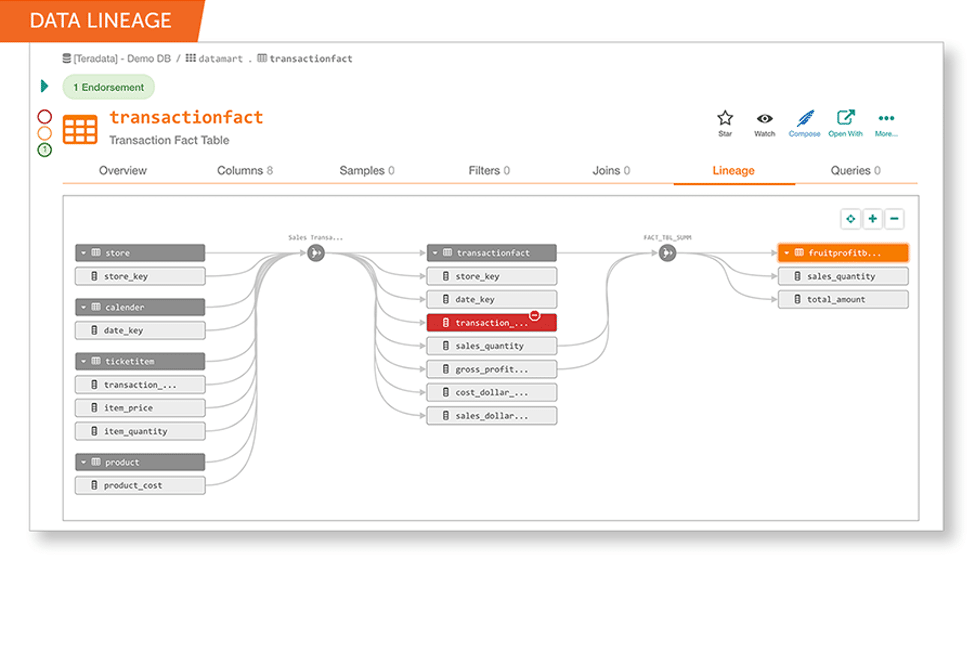
Image courtesy of www.alation.com via Google Images
Explore the various formatting rules available in Excel, such as color scales, data bars, and icon sets, to customize your conditional formatting to suit your analysis needs. Experiment with different formatting options to see which ones work best for your data presentation.
Data Analysis Tools
Excel is equipped with a range of built-in data analysis tools that can streamline your analysis process. From sorting and filtering to subtotals and grouping, these tools offer quick and efficient ways to manipulate and organize your data for analysis.
Get familiar with the functionalities of these data analysis tools and incorporate them into your workflow to save time and effort. Remember, practice makes perfect, so don’t shy away from experimenting with different tools and features to enhance your data analysis skills.
Advanced Data Analysis Techniques
Excel goes beyond basic formulas and tools with advanced features like Solver, What-If Analysis, and Scenario Manager. These tools can help you perform complex data analysis tasks, such as optimization, sensitivity analysis, and scenario modeling.

Image courtesy of www.erwin.com via Google Images
Dive into these advanced features, explore their functionalities, and practice using them on different data sets to sharpen your analytical skills. Don’t be intimidated by their complexity—embrace the challenge and unlock new possibilities for your data analysis projects.
Importing and Exporting Data
Excel allows you to import data from external sources, such as CSV files or databases, into your worksheets for analysis. By leveraging the import data feature, you can expand the scope of your analysis and work with diverse data sets from various sources.
When exporting your analysis results, consider how you want to share your findings with others. Excel provides options for saving your work in different formats, such as PDF or CSV, making it easy to distribute your analysis reports to colleagues or stakeholders.
Conclusion
Congratulations, you’ve completed our crash course on efficient data analysis in Excel! We hope you’ve picked up some valuable tips and techniques to elevate your analytical skills and make the most of Excel’s features.
Remember, practice is key to mastering data analysis, so don’t hesitate to dive back into your spreadsheets and continue honing your skills. Keep exploring new tools, experimenting with different techniques, and pushing the boundaries of what Excel can do for your data analysis projects.
Thank you for joining us on this journey through the world of data analysis in Excel. We’re excited to see where your newfound skills take you in your data analysis endeavors. Happy analyzing!