

Unlock the power of SQL with our comprehensive guide to mastering data querying and manipulation. Take your skills to the next level.

Table of Contents
Welcome, teachers embarking on a journey to become data analysts! Data engineering is a crucial skill to have in today’s data-driven world, and mastering SQL is an essential part of that. In this guide, we will walk you through 10 tips for mastering SQL for efficient data querying and manipulation.
Understanding Data Engineering
Data engineering involves managing and optimizing data processes to ensure efficient data storage and retrieval. As data analysts, you will work with large datasets and need to be proficient in SQL for querying and manipulating this data. Mastering SQL will enhance your ability to extract valuable insights and make informed decisions based on data.
Setting Up Your Development Environment
To get started with SQL, you will need a database management system to practice your queries. Popular options include MySQL, PostgreSQL, and SQLite. Install the database software on your computer or use online platforms like SQL Fiddle or DB Fiddle to practice your SQL queries.
Leveraging SQL for Data Processing
SQL is a powerful language for data manipulation. Learn the basics of SQL syntax, including SELECT, INSERT, UPDATE, and DELETE statements. Use JOIN operations to merge data from multiple tables and GROUP BY to aggregate data. Practice writing complex SQL queries to sharpen your skills in data processing.

Image courtesy of dev.to via Google Images
Working with Data Lineage
Data lineage involves tracking the origins of data and how it transforms along the way. Documenting data lineage is crucial for data governance and compliance. Use SQL queries to trace data lineage in your databases and create comprehensive documentation to understand data flows within your organization.
Data Ownership and Governance
Data ownership and governance ensure that data is managed responsibly and securely. Implement data ownership policies to assign responsibilities to different stakeholders. Use SQL to enforce data governance rules, such as data access control and data quality checks, to maintain data integrity.
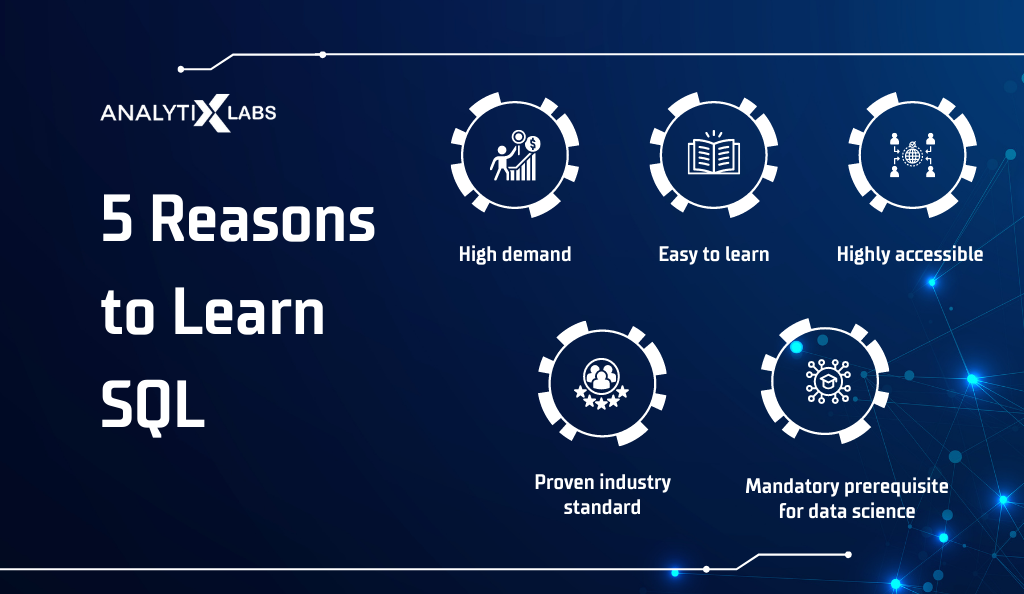
Image courtesy of www.analytixlabs.co.in via Google Images
Mastering SQL for Data Manipulation
SQL is the language of choice for data manipulation. Familiarize yourself with advanced SQL operations like subqueries, window functions, and common table expressions. Use SQL to clean and transform data for analysis, ensuring data consistency and accuracy for meaningful insights.
Visualizing Data with Tableau and PowerBI
Data visualization tools like Tableau and PowerBI help transform raw data into interactive visualizations. Connect SQL queries to Tableau and PowerBI to create insightful dashboards and reports. Use SQL to extract data from databases and feed it into these visualization tools for data-driven storytelling.

Image courtesy of dev.to via Google Images
Exploring Advanced Data Analysis with R
R is a powerful programming language for statistical analysis and data visualization. Use SQL to extract and preprocess data for analysis in R. Leverage R’s rich libraries and packages for advanced data analytics, including machine learning and predictive modeling. Combine SQL and R to unlock deeper insights from your datasets.
Conclusion
Mastering SQL is essential for teachers transitioning into data analysts. By following these 10 tips, you can enhance your skills in data engineering and excel in querying and manipulating data for valuable insights. Keep practicing your SQL queries and exploring new tools and techniques to stay ahead in the data analytics field. Happy querying!