
Uncover the secrets of data ownership: Learn how to safeguard your information and take control of your digital footprint.
Table of Contents
Welcome, teachers turned data analysts! In the fast-paced world of data analytics, it’s crucial that you not only know how to analyze data effectively but also understand the importance of managing and protecting your data. In this blog post, we will dive into the key strategies and best practices for data ownership, ensuring that you can navigate through your data with confidence and security.
Understanding Data Types
Before diving into the world of data analysis, it’s essential to understand the different types of data you may encounter. Whether it’s numeric data, text, date/time, or other forms of data, categorizing and formatting it correctly in Excel can make a significant difference in the accuracy of your analysis. Take the time to familiarize yourself with the various data types and best practices for handling each type.
Data Cleansing and Preparation
Data cleansing and preparation are often overlooked but are crucial steps in the data analysis process. Errors in your data can significantly impact your analysis, so it’s essential to spot and fix these errors before diving into your analysis. Utilize tools and techniques in Excel to cleanse and prepare your data effectively, ensuring accurate results.
Using Formulas and Functions
Formulas and functions are the heart of Excel and are powerful tools for data analysis. Whether it’s using VLOOKUP to find specific data, SUMIF to sum values based on criteria, or IFERROR to handle errors in your data, mastering these functions can streamline your analysis process and provide valuable insights. Experiment with different formulas and functions to see how they can enhance your data analysis capabilities.

Image courtesy of www.linkedin.com via Google Images
Pivot Tables and Charts
Pivot tables are invaluable tools for summarizing and analyzing data in Excel. By organizing and analyzing large datasets through pivot tables, you can quickly gain insights and identify trends in your data. Additionally, creating dynamic charts and graphs based on pivot table output can help visualize your data and communicate your insights effectively.
Advanced Analysis Techniques
Excel offers a range of advanced analysis techniques that can take your data analysis to the next level. Using conditional formatting to highlight trends and outliers, performing regression analysis, and forecasting can provide deeper insights into your data. Exploring these advanced techniques can help you uncover patterns and make informed decisions based on your data.

Image courtesy of www.linkedin.com via Google Images
Macros and Automation
Macros offer a way to automate repetitive tasks in Excel, saving you time and effort in your data analysis process. Whether it’s recording, editing, or running macros, leveraging automation can streamline your workflow and improve efficiency. Familiarize yourself with macros and explore ways to automate tasks to enhance your productivity.
Data Visualization
Effective data visualization plays a vital role in communicating insights from your data. By creating impactful charts and dashboards in Excel, you can present your analysis results in a visually compelling way. Explore different visualization techniques in Excel to effectively convey your findings and make a lasting impact on your audience.

Image courtesy of www.linkedin.com via Google Images
Collaborating and Sharing Insights
Collaboration is key in the world of data analytics, especially when working with a team. Excel offers features for collaborating with team members on workbooks, allowing you to share insights, gather feedback, and work together seamlessly. Discover the various collaboration tools in Excel and leverage them to enhance teamwork and drive better outcomes.
Best Practices and Resources
As you journey through mastering data analytics in Excel, remember to follow best practices to ensure accuracy and efficiency in your analysis. Recap the key tips discussed in this post, and continue to explore resources for further learning and skill development. Continuous improvement and learning are essential in the dynamic field of data analytics, so be proactive in seeking new knowledge and honing your skills.
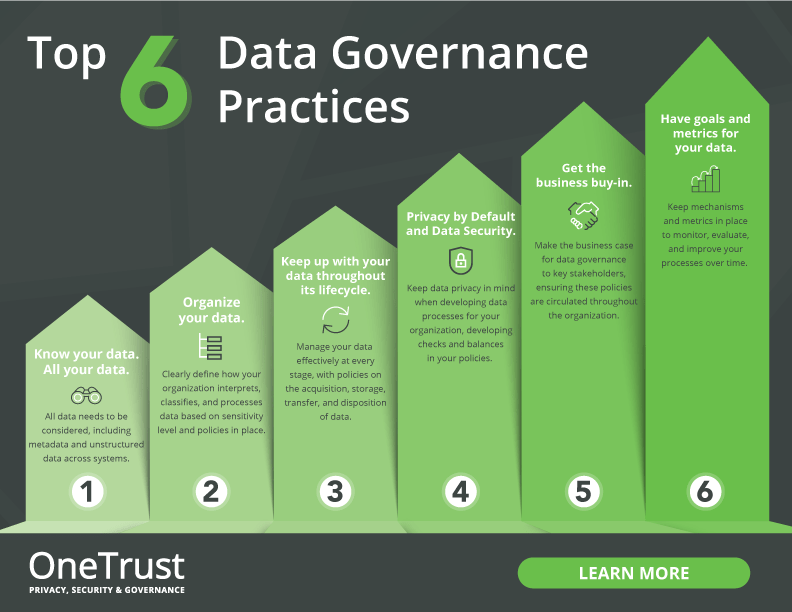
Image courtesy of www.onetrust.com via Google Images
Conclusion
Congratulations on taking the leap into the world of data analytics! By mastering Excel as a tool for data analysis, you have equipped yourself with valuable skills and knowledge to thrive in this fast-paced field. Remember to apply the tips and strategies discussed in this post to effectively manage and protect your data, ensuring accurate and insightful analysis results. Keep exploring, learning, and growing as a data analyst, and watch your skills soar to new heights!