
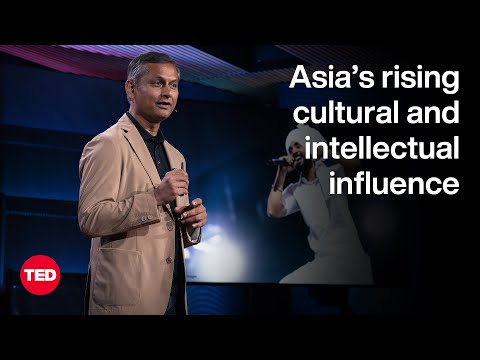
In recent years, the influence of Asian culture on the global stage has been impossible to ignore. From music and cinema to fintech and healthcare innovation, Asia is making significant contributions that are reshaping global narratives. Central to this discussion is Indian actor and musician Diljit Dosanjh, whose performance at Coachella marked a cultural milestone. This blog post explores the rising influence of Asian culture, driven by economic power and intellectual contributions, and how it is causing a shift in Western perceptions.
Introduction: The Emergence of Asian Voices
For decades, Asian culture was often viewed through a narrow, stereotypical lens in the West. However, the 21st century has witnessed a dramatic transformation in how Asian culture is perceived and celebrated. This shift is not just confined to art and entertainment but extends to economic and technological advancements. The emergence of Asian voices, from musicians like Diljit Dosanjh to tech innovators, indicates a broader acceptance and recognition of Asia’s cultural authority. As income distribution shifts and Asia becomes a hub for innovation and new narratives, its global influence continues to grow.
Diljit Dosanjh at Coachella: A Cultural Milestone
When Diljit Dosanjh took the Coachella stage, singing entirely in Punjabi, it was more than just a performance; it was a cultural landmark. This event signaled a shift in cultural dynamics where Eastern voices are now gaining prominence in a traditionally Western-dominated space. Dosanjh’s success highlights how artists from diverse backgrounds are breaking into mainstream platforms, broadening the acceptance and appreciation of global cultures.
Changing Western Perceptions of Asian Culture
Western perceptions of Asian culture have evolved significantly. In the past, Asian culture was often exoticized and tinged with stereotypes. Today, milestones such as Michelle Yeoh winning an Oscar and the global success of the show ‘Squid Game’ illustrate a more nuanced understanding. This shift signifies that Asia is no longer just a source of exoticism but a legitimate cultural force, contributing richly to global narratives.
Asia’s Economic Power and its Cultural Impact
Asia’s rise in cultural influence is intrinsically linked to its economic power. Significant changes in income distribution have resulted in an environment ripe for cultural and technological innovation. By 2030, Asia is projected to have five times the number of high-income households compared to 2000, which will further fuel its influence. This economic clout enables more investments in arts, education, and technology, reinforcing its global presence.
Innovations from Asia: Fintech, Renewable Energy, and Healthcare
Asia is at the forefront of technological advancements in various sectors. In fintech, countries like India have revolutionized finance with systems like Unified Payments Interface (UPI), which processes over a trillion dollars in transactions. In renewable energy, China’s advancements in solar energy have drastically reduced costs. In healthcare, India’s digitization of health records offers cost-effective and efficient healthcare solutions. These innovations are not just benefiting Asia but are setting global benchmarks.
The Role of Diversity in Asia’s Cultural and Intellectual Contributions
The diversity within Asia fuels its rich cultural and intellectual contributions. Modern Asians are not just factory workers but are increasingly becoming innovators and leaders in various sectors. Many young people educated in the West are returning to their home countries, contributing to a vibrant entrepreneurial ecosystem. This diversity also brings in a collective mindset where societal well-being often takes precedence over individual aspirations, driving many successful initiatives.
Conclusion: Embracing Asia’s Global Influence
Asia’s rising cultural and intellectual influence promises both disruption and long-term progress. By integrating Asian practices and innovations into global frameworks, we can foster resilience and adaptiveness to challenges like climate change. Celebrating and learning from this evolving dynamic, as exemplified by figures like Taylor Swift and Diljit Dosanjh, enriches our collective societal experience. Embracing Asia’s global influence is not just beneficial but essential for a diversified and progressive global narrative.