
While the dramatic images of wildfires, floods, and hurricanes often dominate media coverage in wealthier countries, another harsh reality of climate change remains largely unspoken. In low- and middle-income African nations, rising temperatures pose a deadly threat to millions who lack basic cooling options like air conditioning. As global temperatures climb, an estimated additional six million deaths could occur by 2100, affecting poorer nations disproportionately. This blog delves into the economic, social, and ethical imperatives for climate justice, spotlighting the stark reality faced by Africa and exploring actionable solutions to mitigate this crisis.
The Overlooked Impact of Climate Change in Africa
The direct effects of climate change are brutal, especially for low- and middle-income African countries. Rising temperatures lead to heatwaves that make daily life agonizing and even lethal. In Niger, for example, most people live without air conditioning or adequate shelter to escape the oppressive heat. While events like wildfires consume media attention in wealthier countries, the quieter but deadly impact of rising temperatures in Africa goes largely unnoticed.
Economic Implications of Climate-Related Deaths in Poorer Nations
The economic ramifications of climate-related deaths are staggering. By using Mexico’s valuation of a statistical life, which is approximately two million dollars, one can estimate that greenhouse gas emissions from OECD countries cost lower-income nations around $1.7 trillion annually. This is particularly crippling for countries like Niger, where the per capita GDP is roughly $650. The annual damages from emissions vastly exceed their national income, highlighting the gross inequity imposed by global climate change.
The Struggle for Climate Aid and Financial Commitments
Despite ambitious promises of raising between $300 billion and $1.3 trillion for climate adaptation, the current funding mechanisms have shown to be ineffective. The complexities of accessing climate funds often discourage negotiators from developing countries who find themselves frustrated by a system that disproportionately disadvantages them. The financial commitments by wealthy nations fall short of the dire needs facing those most affected by climate change.
A Proposal for Fair Compensation: Taxing the Wealthy
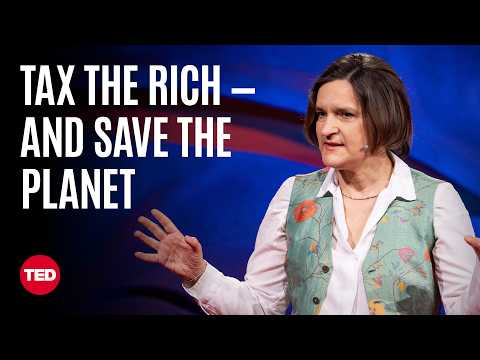
Rather than continually seeking small amounts of climate aid, a profound proposal has emerged: raising the $1.7 trillion owed to poorer countries in compensation for emission damages. This would involve taxing the wealth of billionaires and multinational corporations, who benefit from current tax systems that allow for significant evasion of their fair share. Implementing a wealth tax could pivot the financial burden and contribute substantially to financing climate-related damages.
Utilizing Climate Funds: Direct Cash Transfers to Enhance Resilience
How should these funds be used once raised? Direct cash transfers to individuals provide a pragmatic solution. Unlike bureaucratic institutions, these transfers enhance resilience and improve livelihoods directly. Programs in Zambia and Kenya have demonstrated that small monthly incomes enable individuals to invest in essential life improvements and sustainable infrastructure, proving to be a highly effective use of resources.
A New Grand Bargain: Mutual Cooperation for Global Climate Goals
The crisis calls for a new ‘grand bargain’ between wealthy nations and the developing world. Poorer nations are entitled to compensation for the damage caused by emissions, and in return, they should commit to robust climate actions. This reciprocation would foster mutual trust and cooperation, vital for achieving global climate goals. It’s incumbent upon those in power, particularly billionaires, to advocate for a wealth tax dedicated to climate justice. The need for immediate and moral action has never been more pressing.
In conclusion, the unseen impact of climate change on low- and middle-income African nations demands urgent climate justice. It’s not only an economic imperative but also a moral one. By taxing the wealthy and utilizing direct cash transfers, significant strides can be made toward rectifying the climate injustices faced by these nations. This is a call to action for global cooperation and a commitment to sustainable development for all.