

Discover how understanding data lineage can revolutionize your data management strategy and ensure trust, accuracy, and compliance in your business.

Table of Contents
Hey there, teachers turned data analysts! Are you ready to unlock the full potential of your data analysis skills using Python? In this blog post, we’ll dive into 10 tips that will help you become successful in your data analysis endeavors. So, let’s get started!
Choose the Right Python Library
When it comes to data analysis with Python, the choice of libraries can make a significant impact on your workflow. There are several libraries available, each with its strengths and weaknesses.
One popular choice is Pandas, which is great for data manipulation and analysis. It provides powerful data structures like DataFrame and Series, making it easier to work with structured data. On the other hand, NumPy is excellent for numerical computing and performing mathematical operations on arrays.
Clean and Prepare Your Data
Cleaning and preparing data are essential steps in the data analysis process. Before diving into analysis, it’s crucial to ensure that your data is clean and well-structured.
Pandas comes to the rescue here, with its easy-to-use functions for data cleaning. You can remove duplicates, handle missing values, and transform your data to get it ready for analysis.
Understand Your Data
One of the key aspects of successful data analysis is understanding your data. This involves exploring the structure, features, and patterns present in your dataset.

Image courtesy of via Google Images
Using libraries like Pandas and Matplotlib, you can visualize your data, identify trends, and gain insights that will guide your analysis. By understanding your data thoroughly, you’ll be better equipped to draw meaningful conclusions.
Use Python Functions for Data Manipulation
Functions play a vital role in data manipulation, allowing you to automate repetitive tasks and streamline your analysis process. In Python, creating functions is simple and effective.
You can create custom functions to perform specific data manipulation tasks, such as calculations, transformations, and filters. This not only saves time but also makes your code more modular and reusable.
Visualize Your Data
Visualizing data is a powerful way to communicate insights effectively and uncover hidden patterns. With libraries like Matplotlib and Seaborn, you can create a wide range of visualizations that bring your data to life.
.jpeg)
Image courtesy of via Google Images
From bar plots to scatter plots, box plots to heat maps, the possibilities are endless. Experiment with different visualization techniques to convey your findings in a clear and compelling manner.
Perform Statistical Analysis
Statistical analysis is the backbone of data interpretation, helping you draw meaningful conclusions and make informed decisions. In Python, libraries like SciPy and StatsModels offer a wide range of statistical functions.
Whether you need to calculate probabilities, test hypotheses, or analyze trends, these libraries have you covered. Dive into the world of statistics to uncover deeper insights from your data.
Machine Learning with Python
Machine learning is a transformative technology that propels data analysis to new heights. With libraries like Scikit-learn, you can build predictive models, classify data, and uncover patterns that would be hard to detect manually.
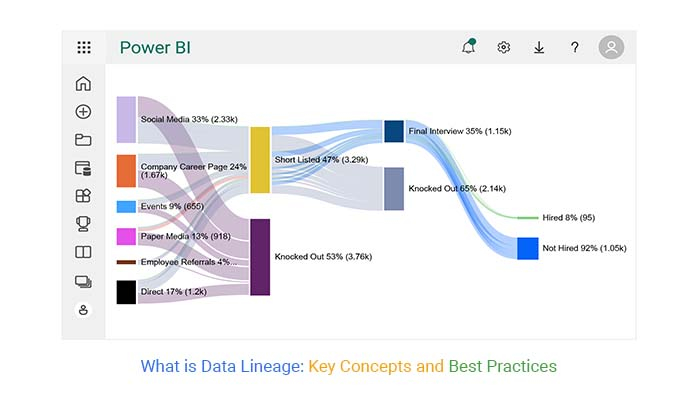
Image courtesy of via Google Images
Explore the wonders of machine learning and discover how it can revolutionize your data analysis workflow. From regression to clustering, the possibilities are endless.
Automate Data Analysis Tasks
Automation is a game-changer in data analysis, enabling you to streamline repetitive tasks, increase efficiency, and focus on high-value activities. With Python, you can easily automate data analysis tasks using libraries like Pandas and NumPy.
Set up scripts to clean, analyze, and visualize your data automatically, saving time and effort in the process. Automating routine tasks frees up your time to delve deeper into your analysis and draw meaningful insights.
Practice and Experiment
Practice makes perfect, especially in the world of data analysis. The more you practice, the more comfortable you’ll become with Python and its libraries.
Experiment with different techniques, datasets, and challenges to hone your data analysis skills and uncover new insights. Don’t be afraid to push boundaries and try new approaches – it’s all part of the learning process.
In conclusion, by following these 10 tips, you’ll be well on your way to becoming a successful data analyst with Python. Remember to choose the right libraries, clean and prepare your data meticulously, understand your data deeply, and make the most of Python’s functions and visualization capabilities. With practice, experimentation, and a dash of enthusiasm, you’ll unlock the full power of data analysis with Python. Happy analyzing!