
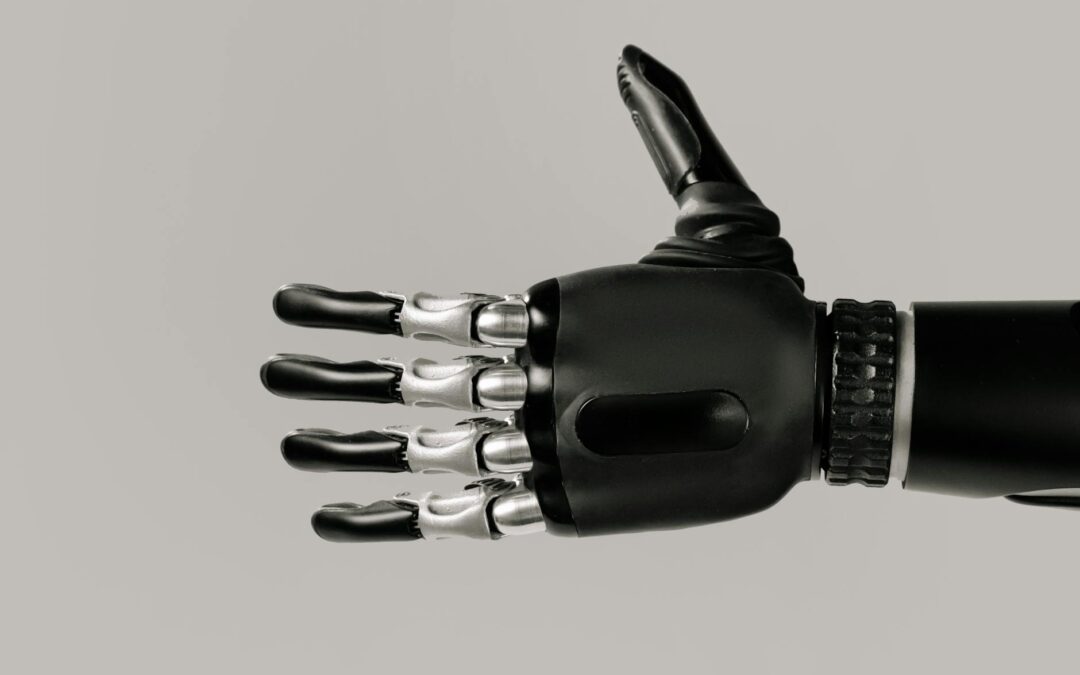
Discover how artificial intelligence is reshaping the healthcare industry with real-life examples and groundbreaking advancements in patient care.

Table of Contents
In today’s fast-paced world, technology advancements are reshaping the way we live, work, and interact with the world around us. One of the most significant technological breakthroughs in recent years is the rise of Artificial Intelligence (AI). We are constantly bombarded with news about AI, but do we really understand the impact it is having on various industries, particularly in healthcare?
Let’s delve into a fascinating case study that showcases how AI is revolutionizing the healthcare industry.
Picture this: a world where diseases are detected at an early stage, personalized treatment plans are created for each patient, and medical diagnoses are made with pinpoint accuracy. This, my friends, is the power of AI in healthcare.
The Problem
Historically, healthcare providers have faced challenges in diagnosing diseases accurately, optimizing treatment plans, and improving patient outcomes. The human brain can only process so much information at a time, leading to potential errors and delays in critical decision-making.
The Solution
This is where AI comes into play. By leveraging machine learning algorithms, neural networks, and other AI technologies, healthcare providers can analyze vast amounts of data in seconds, identify patterns, and make data-driven decisions with unparalleled accuracy. AI applications in healthcare include medical imaging analysis, predictive modeling, drug discovery, personalized medicine, virtual health assistants, and more.
The Impact
Imagine a scenario where a patient undergoes a routine MRI scan. The AI system quickly analyzes the images, detects a tiny anomaly that may have been missed by a human eye, and alerts the radiologist for further investigation. This timely intervention could potentially save the patient’s life or improve their prognosis dramatically.
By harnessing the power of AI, healthcare providers can offer personalized treatment plans based on a patient’s genetic makeup, medical history, lifestyle factors, and more. This targeted approach not only improves patient outcomes but also reduces healthcare costs and minimizes adverse effects from unnecessary treatments.
Challenges and Future Outlook
Despite the immense potential of AI in healthcare, there are challenges that must be addressed. These include data privacy concerns, regulatory compliance, algorithm bias, patient trust, and the need for interdisciplinary collaboration between healthcare professionals and AI experts.
Looking to the future, AI is poised to revolutionize healthcare even further. We can expect to see advancements in remote patient monitoring, chronic disease management, robotic surgery, telemedicine, and AI-driven drug discovery. The possibilities are endless, and the future of healthcare looks brighter than ever before.
Conclusion
In conclusion, AI is not just a buzzword in the healthcare industry; it is a transformative force that is reshaping the way we approach patient care, disease prevention, and medical research. As tech gurus, we have the power to drive innovation, push boundaries, and unlock the full potential of AI in healthcare. Let’s continue to explore, experiment, and collaborate to create a healthier and more sustainable future for all.
Stay tuned for more insights on how AI is revolutionizing various industries and shaping our world for the better!