
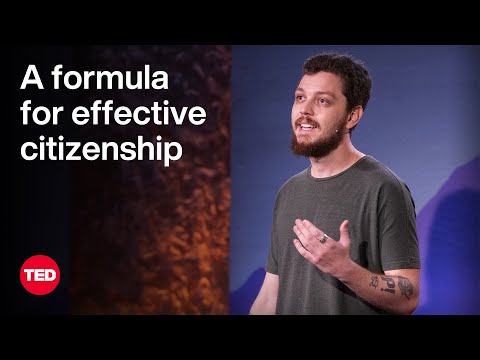
The concept of citizenship extends beyond the confines of legal rights and obligations; it is an expedition of continuous growth, understanding, and participation. It necessitates an ongoing effort and acquisition of knowledge, steering individuals toward a profound engagement with their community and society. Inherently, good citizenship is not a static achievement but a dynamic process, sculpted by life’s myriad experiences. This article delves into the essence of cultivating good citizenship through the prism of lifelong learning, empathy, and active community engagement.
The Four Pillars of Citizen Metamorphosis
Transcending the traditional boundaries of citizenship requires a foundational metamorphosis resting on four pillars: political knowledge, plural dialogue, civic empathy, and community protagonism. Political knowledge empowers individuals with the understanding necessary to navigate the complex tapestry of governance, law, and societal issues. Plural dialogue fosters an environment of diversity and inclusivity, where differing perspectives are not only recognized but celebrated, facilitating more robust solutions to communal challenges. Civic empathy, the third pillar, encourages a deep-rooted sense of understanding and concern for the wellbeing of fellow community members, driving citizens toward compassionate action. Lastly, community protagonism places the citizen at the forefront of societal change, highlighting the role of individual and collective action in shaping the future of their communities. Together, these pillars serve as cornerstones in the edifice of good citizenship, providing a balanced framework for civic engagement and societal contribution.
Actively Engaging for Social Change
At the heart of good citizenship is the principle of active engagement. This involves a proactive stance in solving public problems, comprehending societal complexities, and collaboratively working with various stakeholders to effectuate change. Beyond the traditional reliance on government intervention, this approach emphasizes the power and responsibility of citizens in advocacy, public policy, and community-based initiatives. From grassroots movements to local governance, active engagement manifests in myriad forms, each contributing to the woven tapestry of societal advancement. By embracing civic responsibilities and participating earnestly in community endeavors, individuals not only exert influence on their immediate surroundings but also pave the way for broader societal transformations. Thus, the essence of good citizenship is encapsulated in the willingness to engage, contemplate, and act, with a vision toward the common good.
Conclusion: The Path Forward in Civic Participation
The journey of cultivating good citizenship is a lifelong endeavor that requires dedication, understanding, and active participation. It is a path laden with opportunities for learning, growth, and community engagement. The pillars of citizen metamorphosis—political knowledge, plural dialogue, civic empathy, and community protagonism—serve as guiding lights in this journey, illuminating the way forward for individuals committed to societal betterment. As we navigate the complexities of modern society, the importance of cultivating good citizenship cannot be overstated. It is the bedrock upon which vibrant, inclusive, and resilient communities are built. Let us, therefore, embrace this journey with open hearts and minds, ready to contribute to the tapestry of our collective future.