

Unleash the power of data organization with this expert guide on transitioning from Excel sheets to SQL tables effortlessly.

Table of Contents
Are you a teacher looking to enhance your data analysis skills? If you’ve been relying on Excel spreadsheets for your data needs, it’s time to level up to SQL. SQL, or Structured Query Language, is a powerful tool that can handle large datasets with ease and efficiency. In this blog post, we’ll guide you through the transition from Excel to SQL, providing you with essential tips and concepts along the way.
Why Transition to SQL?
If you’ve ever worked with large datasets in Excel, you may have experienced sluggish performance and limited capabilities. SQL offers several advantages over Excel when it comes to data manipulation. With SQL, you can efficiently handle vast amounts of data, write complex queries, and perform advanced analytics tasks.
Key SQL Concepts
When diving into SQL, it’s essential to grasp some key concepts to make the most of the language. The SELECT statement allows you to retrieve data from a database, while the WHERE clause filters data based on specific conditions. GROUP BY is used to aggregate data, and JOIN enables you to combine data from multiple tables. Understanding how these concepts work together will be fundamental to your success in SQL.
Structuring Data in SQL
Unlike Excel, where data is stored in cells and sheets, SQL requires a structured approach to data storage. Tables are used to organize data, and relationships between tables are established through keys. When transitioning from Excel to SQL, it’s crucial to organize and cleanse your data properly to ensure consistency and accuracy in your analysis.

Image courtesy of via Google Images
Importing Data from Excel to SQL
One of the first steps in transitioning from Excel to SQL is importing your existing data into the SQL database. This process can be straightforward with the right tools and techniques. By following a step-by-step guide and paying attention to data quality during the import, you can seamlessly transfer your data into SQL.
Making the Transition Smooth
Transitioning from Excel to SQL may present some challenges, especially if you’re used to the Excel interface. To make the switch smoother, it’s essential to practice regularly and familiarize yourself with SQL syntax and functions. By staying patient and persistent, you’ll soon find yourself comfortable working with SQL queries.

Image courtesy of via Google Images
Advanced SQL Tips
Once you’ve mastered the basics of SQL, it’s time to delve into more advanced tips and techniques. Optimizing your SQL queries for performance and efficiency will be crucial as you work with larger datasets. Adopting best practices for writing clean and maintainable code will also help you become a proficient SQL user.
Building Visualizations with SQL Data
Visualizing data is an essential part of the analysis process. SQL data can be used to create insightful visualizations using various tools and techniques. By learning how to leverage SQL queries to generate visual representations of your data, you can communicate your findings effectively and make informed decisions.
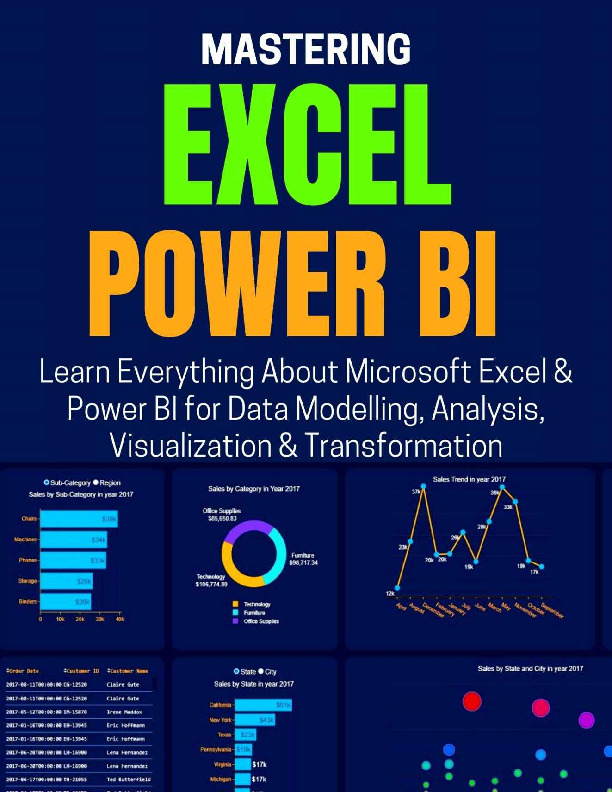
Image courtesy of via Google Images
Case Studies and Success Stories
Real-world examples of companies and individuals who have successfully made the transition from Excel to SQL can provide valuable insights and inspiration. By learning from their experiences and implementing their strategies, you can accelerate your own journey towards mastering SQL.
Further Resources and Learning Opportunities
For teachers looking to become data analysts, there are plenty of resources and learning opportunities available online. Online courses, tutorials, and forums can help you deepen your understanding of SQL and stay updated on the latest trends in data analysis. By continuously seeking new knowledge and honing your skills, you’ll be well on your way to becoming a proficient data analyst.
Are you ready to take your data analysis skills to the next level? By transitioning from Excel to SQL and following our must-know tips, you’ll be well-equipped to tackle large datasets and perform advanced analytics tasks. Embrace the switch with confidence and patience, and soon you’ll be analyzing data like a pro. Happy querying!
Generated by Texta.ai Blog Automation