

Discover real-world applications of AI through case studies and expert tips to successfully implement AI solutions in your business.

Table of Contents
Welcome, Tech Gurus, to another daily dive into the world of Artificial Intelligence (AI)! Today, we’re taking a closer look at how AI transitions from theory to reality through case studies and practical tips for success. Let’s get started!
Overview
Artificial Intelligence (AI) – the buzzword that’s been dominating tech conversations for years now. But what exactly is AI, and why is it such a game-changer in today’s digital landscape? Let’s break it down.
AI refers to the development of computer systems that can perform tasks that typically require human intelligence. These tasks include learning, reasoning, problem-solving, perception, and even creativity. With AI, machines can process data, identify patterns, and make decisions with minimal human intervention.
Over the years, AI has evolved from a concept of science fiction to a reality that powers our everyday lives. From smart assistants like Siri and Alexa to complex algorithms driving autonomous vehicles and advanced analytics, AI is transforming industries and revolutionizing the way we work and live.
Latest Trends
As technology advances at a rapid pace, so does AI. The latest trends in AI are pushing the boundaries of what machines can achieve, opening up new possibilities and opportunities for innovation.
One of the key trends in AI is the rise of machine learning and deep learning algorithms. These technologies enable machines to learn from data, recognize patterns, and make decisions without being explicitly programmed. From personalized recommendations on Netflix to facial recognition in security systems, machine learning is at the forefront of AI innovation.
Furthermore, AI is being used across industries, from healthcare and finance to retail and manufacturing. Companies are leveraging AI to streamline operations, enhance customer experiences, and drive business growth. The adoption of AI-powered solutions is on the rise, with more organizations investing in AI to gain a competitive edge in the market.
Leaders in the AI space, such as Google, Amazon, and Microsoft, are constantly pushing the boundaries of AI research and development. Their cutting-edge work in areas like natural language processing, computer vision, and robotics is shaping the future of AI and paving the way for new applications and possibilities.
Case Study
Let’s delve into a real-world case study that showcases the impact of AI in action. Imagine a retail company that implemented AI-driven chatbots to enhance customer service and support. By using natural language processing and machine learning algorithms, the chatbots were able to understand customer inquiries, provide personalized assistance, and resolve issues efficiently.
Image courtesy of www.quora.com via Google Images
The results were impressive – the company saw a significant improvement in customer satisfaction ratings, reduced response times, and increased sales conversions. The AI-powered chatbots not only optimized customer interactions but also freed up human agents to focus on more complex tasks, ultimately boosting overall efficiency and productivity.
This case study highlights the tangible benefits of AI in improving business processes, enhancing customer experiences, and driving revenue growth. It demonstrates how AI can be a powerful tool for organizations looking to stay ahead in a competitive market landscape.
Practical Tips
For those looking to incorporate AI into their business or personal projects, here are some practical tips to guide you on the journey to success:
- Start small and focus on a specific problem or use case that AI can address effectively.
- Invest in talent – hire skilled data scientists, machine learning engineers, and AI specialists to lead your AI initiatives.
- Explore AI tools and platforms that align with your objectives and technical requirements, such as TensorFlow, PyTorch, or Azure Machine Learning.
- Experiment and iterate – AI is a continuous learning process, so be open to trial and error and iterate on your models and algorithms.
- Stay informed and up-to-date on the latest AI trends, research, and best practices through online resources, forums, and conferences.
Future Outlook
Looking ahead, the future of AI is bright and dynamic. As technology continues to advance, AI will play an increasingly crucial role in shaping our world and driving innovation across industries.
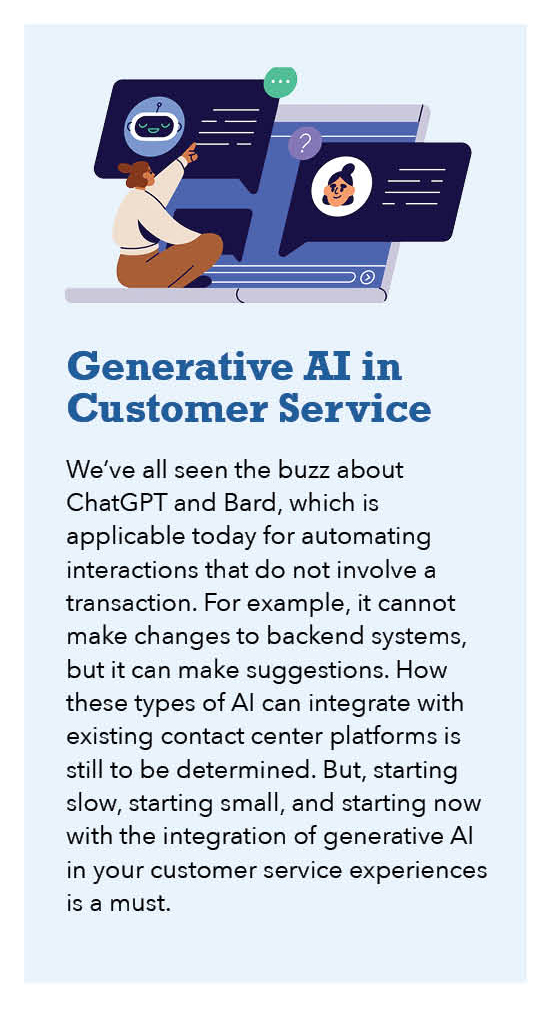
Image courtesy of execsintheknow.com via Google Images
However, with great power comes great responsibility. As AI becomes more integrated into our daily lives, ethical considerations and societal impacts become more important than ever. It’s essential for developers, policymakers, and organizations to prioritize transparency, accountability, and fairness in AI development and deployment.
Despite challenges and uncertainties, the potential of AI to revolutionize healthcare, transportation, education, and more is immense. From personalized medicine and autonomous vehicles to adaptive learning systems and smart cities, AI has the power to transform how we work, play, and interact with the world around us.
Further Reading / Resources
Ready to further explore the world of AI and dive deeper into the latest trends and insights? Check out these recommended resources:
- “Artificial Intelligence: A Modern Approach” by Stuart Russell and Peter Norvig
- “Deep Learning” by Ian Goodfellow, Yoshua Bengio, and Aaron Courville
- MIT Technology Review
- Towards Data Science
- GitHub – AI repositories
That’s a wrap for today’s deep dive into AI! Stay tuned for more daily insights, case studies, and practical tips on how AI is shaping our future. Until next time, keep innovating, experimenting, and embracing the possibilities of AI!