

Uncover the mysterious world of data ownership and find out who truly holds the power over your personal information.

Table of Contents
Hey there, teachers turned data analysts! Today, we’re diving deep into the world of data ownership. Understanding who owns data is crucial in the field of data analytics, so buckle up as we explore this important topic together.
Understanding Data Ownership
Data ownership refers to the rights and responsibilities associated with data. As a data analyst, it’s essential to know who has control over the data you work with.
Data Ownership in Education
In the education sector, data ownership can be a bit complex. Schools may collect various data on students, teachers, and academic performance. Understanding who owns this data is essential to ensuring compliance with privacy regulations.
Best Practices for Data Ownership
When working with data, it’s crucial to establish clear guidelines for data ownership. This includes defining who is responsible for data accuracy, security, and privacy.
Implications of Data Ownership
Data ownership has significant implications for data analytics. Knowing who owns the data can impact how it is used, stored, and shared within an organization.
Data Privacy and Security
Understanding data ownership is essential for maintaining data privacy and security. By knowing who owns the data, you can ensure that it is handled and protected appropriately.
Data Governance
Data governance frameworks often include guidelines for data ownership. By establishing clear ownership roles, organizations can better manage and control their data assets.
Challenges in Data Ownership
While data ownership is critical, it can also present challenges. Data ownership disputes, data silos, and data quality issues are common obstacles that organizations face.
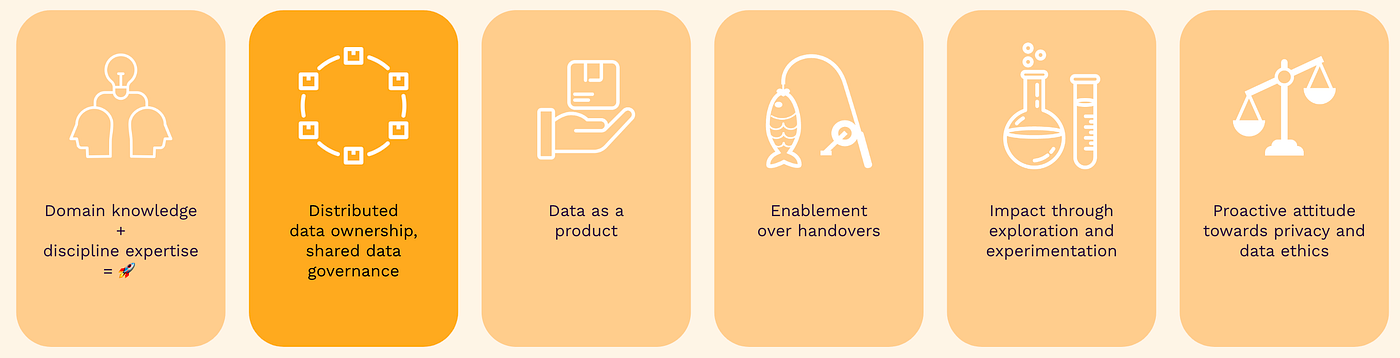
Image courtesy of medium.com via Google Images
Data Silos
Data silos occur when data is controlled by individual departments or teams, leading to fragmentation and inefficiencies. Breaking down data silos requires clear data ownership structures.
Data Quality Issues
Poor data quality can arise when data ownership is unclear. Establishing accountability for data quality is essential for ensuring accurate and reliable analytics results.
Conclusion
In conclusion, data ownership is a fundamental concept in data analytics. As teachers navigating the world of data analysis, understanding who owns your data is key to success in the field. By addressing data ownership challenges and establishing best practices, you can enhance your data analytics skills and make informed decisions based on accurate data. Here’s to mastering data ownership and unlocking the full potential of your data analytics journey!