

Discover the hidden potential of Python with expert tips for mastering data engineering and analysis in this informative blog post.

Table of Contents
Welcome, aspiring data analysts! In today’s technology-driven world, mastering data science tools like Python is essential for making informed decisions based on data. In this blog post, we will delve into the world of Python, providing you with valuable tips for data engineering and analysis. So, grab your favorite beverage, sit back, and let’s unlock the power of Python together!
Understanding Data Ownership
Before we dive into the technical aspects of Python, let’s first emphasize the importance of data ownership. Data ownership is the key to ensuring the quality and accuracy of the data you analyze. As a teacher becoming a data analyst, it’s crucial to define clear data ownership within your organization. This includes establishing who is responsible for collecting, maintaining, and securing the data to avoid any discrepancies or errors in your analysis.
Data Engineering Best Practices
Now, let’s talk about data engineering and its role in the data science process. Data engineering involves building efficient data pipelines and workflows to transform raw data into valuable insights. As a data analyst, you should focus on optimizing data engineering practices to streamline the data preparation process. This includes cleaning, transforming, and loading data in a structured manner to ensure accuracy and consistency in your analysis.
Maximizing Data Lineage
Another critical aspect of data analysis is data lineage. Data lineage refers to tracking the origins and transformations of data throughout its lifecycle. By maintaining data lineage, you can effectively trace back the source of the data and ensure its reliability for analysis. As a data analyst, make sure to document data lineage and establish clear procedures for auditing and troubleshooting any discrepancies in your analysis.

Image courtesy of www.linkedin.com via Google Images
SQL Tips for Data Analysis
Now, let’s shift our focus to SQL, a powerful tool for querying databases and extracting insights from structured data. As a teacher turned data analyst, mastering SQL is essential for conducting data analysis efficiently. To enhance your SQL skills, focus on writing optimized queries that are concise and effective in retrieving the desired information. Invest time in learning advanced SQL functions and techniques to level up your data analysis skills.
Excel Tricks for Data Manipulation
Excel is another valuable tool for data manipulation and visualization, making it a favorite among data analysts. As a teacher transitioning into the field of data analysis, Excel can be your go-to tool for conducting basic data analyses and creating visualizations. To make the most out of Excel, familiarize yourself with advanced functions and features such as pivot tables, VLOOKUP, and conditional formatting to enhance your data manipulation skills.

Image courtesy of www.kdnuggets.com via Google Images
Introduction to Python for Data Science
Now, let’s dive into the star of the show: Python! Python has become the language of choice for data analysis and machine learning due to its versatility and user-friendly syntax. As a teacher aspiring to become a data analyst, learning Python is a valuable skill that can elevate your data analysis capabilities. Get started with Python by mastering basic data structures, loops, and functions before progressing to libraries such as Pandas and NumPy for data manipulation.
Getting Started with R Programming
R Programming is another popular language in the data science community, known for its robust statistical capabilities and visualization tools. As a teacher exploring the world of data analysis, R can be a valuable addition to your skill set. Start by learning the basics of R syntax and data structures before delving into advanced topics like data visualization with ggplot2 and building predictive models with machine learning algorithms.
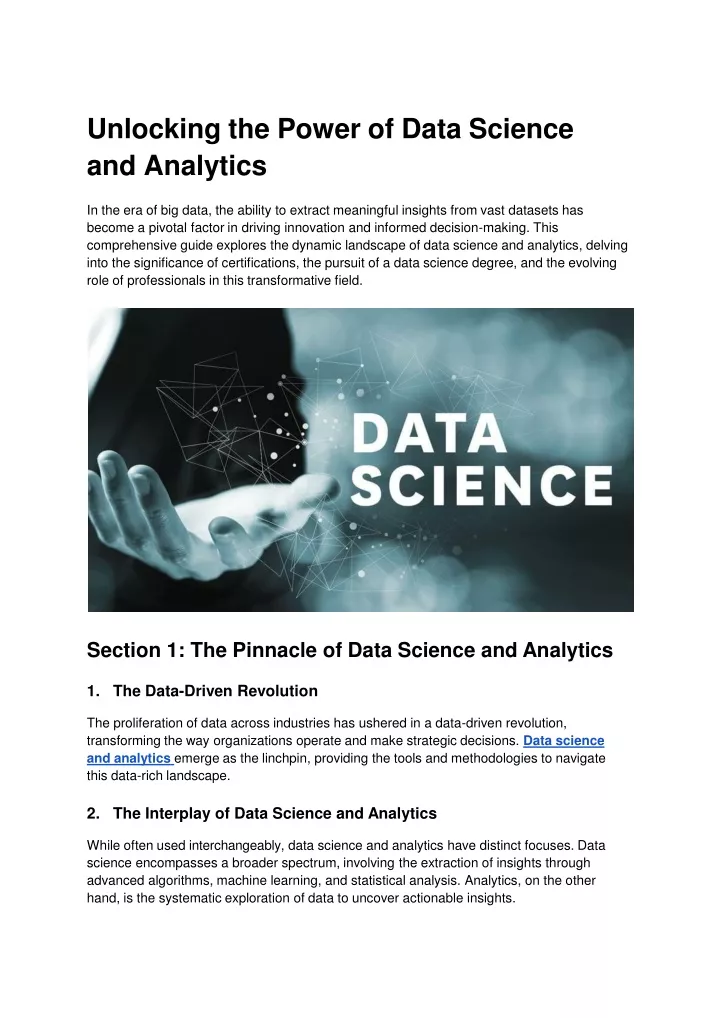
Image courtesy of www.slideserve.com via Google Images
Data Visualization with Tableau
Tableau is a powerful tool for creating interactive data visualizations and dashboards that can effectively communicate insights from your analysis. As a data analyst, mastering Tableau can enhance your storytelling capabilities and make your analysis more engaging. Explore Tableau’s features for creating various types of visualizations, customizing dashboards, and sharing insights with stakeholders to elevate your data visualization skills.
Harnessing the Power of PowerBI
PowerBI is another popular tool for data visualization and reporting, offering intuitive features for creating dynamic reports and dashboards. As a teacher transitioning into the field of data analysis, PowerBI can be a valuable tool for presenting your analysis in a visually appealing and compelling manner. Familiarize yourself with PowerBI functionalities such as data modeling, DAX expressions, and interactive visualizations to make your reports more impactful and insightful.
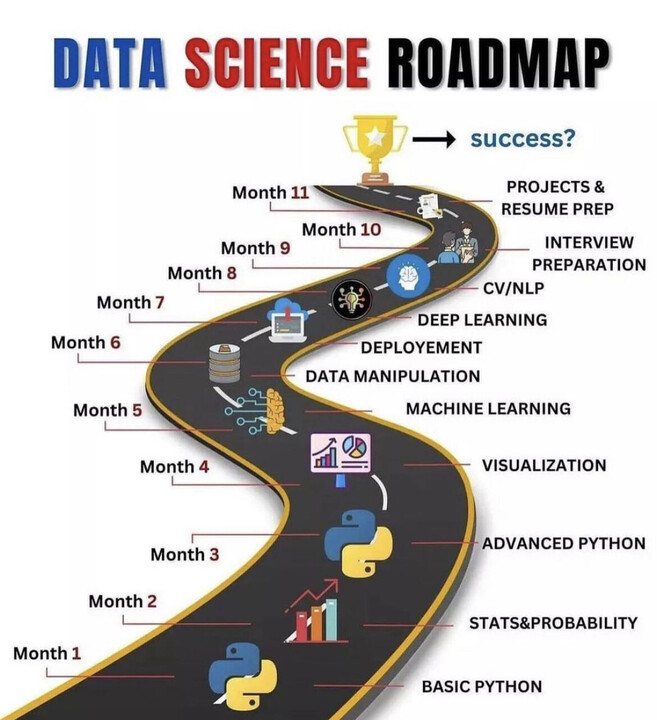
Image courtesy of www.linkedin.com via Google Images
Conclusion
Congratulations on embarking on your journey to become a data analyst! By mastering data science tools like Python, SQL, Excel, R, Tableau, and PowerBI, you are equipped to excel in analyzing data and deriving valuable insights. Remember to practice consistently, seek guidance from online resources, and don’t be afraid to experiment with different tools and techniques. Stay curious, stay ambitious, and unlock the power of data science to make a difference in your professional journey as a teacher turned data analyst!